
Nutrition
Malnutrition is a devastating crisis in Nigeria, significantly hindering human capital development and economic growth. Currently, 2 million children suffer from severe acute malnutrition, with northern states particularly affected by both stunting and wasting (UNICEF Nigeria, 2021). Furthermore, the IPC October 2025–September 2026 analysis estimates that 2 million children will experience severe acute malnutrition across Northeast, Northwest and North Central Nigeria. Stunting alone, with a national prevalence of 36.1% among children under five (NDHS 2018), drastically increases mortality risks, impairs cognitive development, lowers educational performance, and reduces adult productivity. These consequences collectively cost Nigeria an estimated 11% of its GDP in economic losses, highlighting the urgent need for targeted and sustainable solutions.
These statistics represent more than numbers. They reflect families struggling with food insecurity, children whose potential is limited by nutritional deficiencies, and communities trapped in cycles of poverty and poor health. The ripple effects extend beyond individual health outcomes, affecting economic productivity, educational achievement, and the long-term development prospects of entire communities.
Our nutrition-focused initiatives are built on the recognition that malnutrition is not just a health issue; it is a complex challenge rooted in poverty, limited access to resources, inadequate nutrition knowledge, and weak local food systems. We address these interconnected challenges through a comprehensive approach that strengthens communities’ ability to produce, process, and consume nutrient-dense foods sustainably.
We work directly with smallholder farmers, particularly women who play crucial roles in household food production and nutrition, to diversify and enhance agricultural production systems. Our interventions include:
Promoting Nutrient-Dense Crop Varieties. We introduce and support the cultivation of biofortified crop varieties, such as Orange-Fleshed Sweet Potatoes (OFSP), and vegetables bred to contain higher levels of essential nutrients like iron, zinc, and vitamin A. These crops provide opportunities to improve the nutritional quality of household diets while supporting agricultural productivity.
Diversification and Climate Resilience. We help farmers move beyond monocropping to diverse production systems that include vegetables, legumes, and indigenous crops that are both nutritious and adaptable to local conditions. This approach enhances dietary diversity and strengthens resilience to climate change.
Women’s Agricultural Empowerment. Recognising that women often lack access to productive resources despite their central role in household nutrition, we provide targeted support, including access to improved seeds, agricultural inputs, and training to strengthen their capacity to produce nutritious foods.
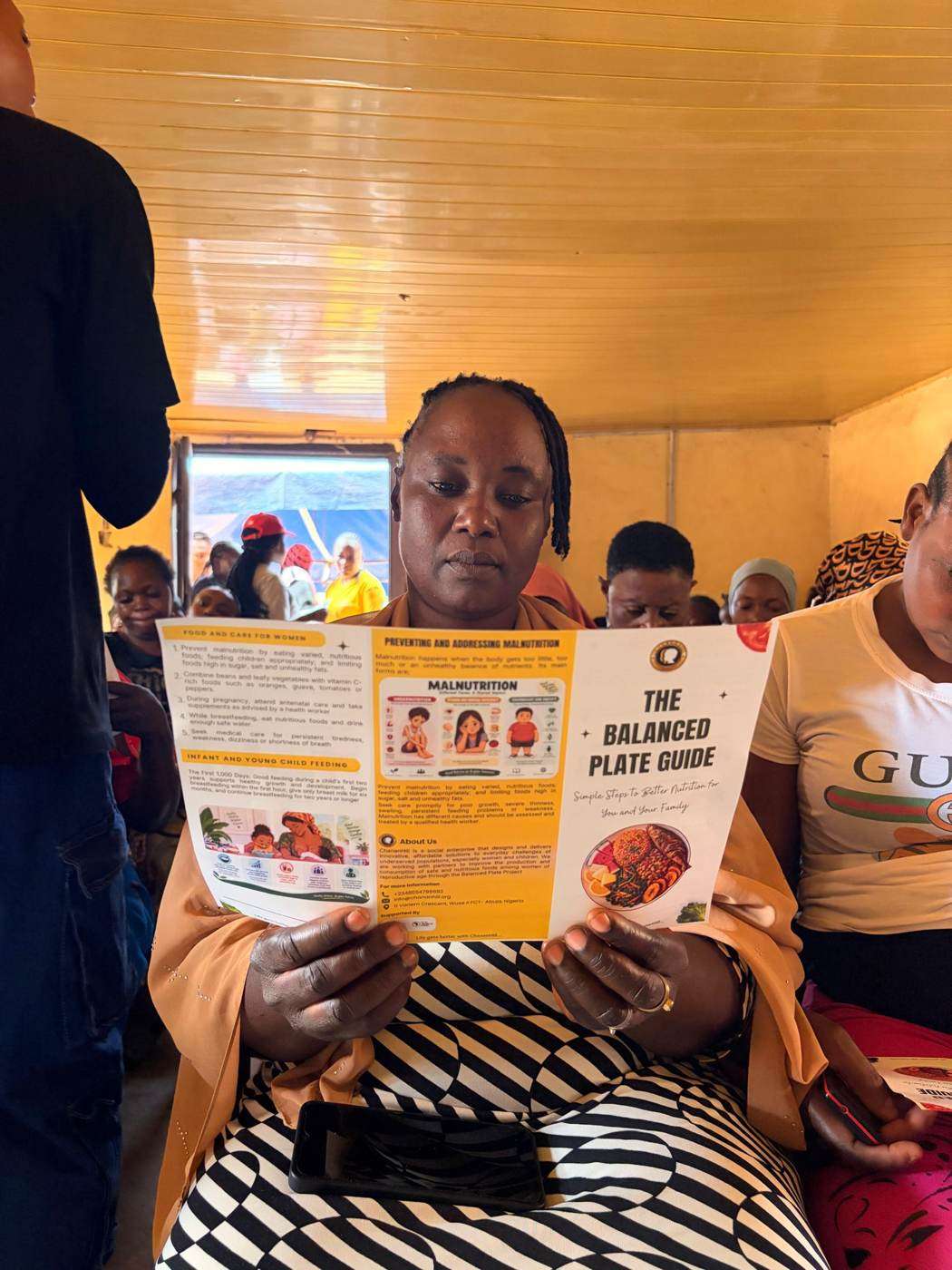
Nutrition Education and Household Food Utilisation. We train women of reproductive age on how to maximise the nutritional value of locally available foods and make the best use of the food resources around them. Through practical nutrition education, we equip women with knowledge and skills to prepare affordable, balanced, and nutritious meals for themselves and their families. This includes understanding food combinations, improving dietary diversity, adopting appropriate food preparation methods, and making informed food choices using locally accessible ingredients.
Nutrition-Preserving Processing. We train communities in food processing and preservation techniques that help retain nutritional value, including proper drying, fermentation, and storage methods. These practices also help prevent food spoilage and reduce post-harvest losses.
Through this integrated approach, we are creating pathways for communities to achieve lasting improvements in health, economic well-being, and quality of life. Our goal is not only to improve nutrition outcomes in the communities where we work directly but also to demonstrate practical, community-led models that can be replicated and scaled to address Nigeria’s broader nutrition challenges.
Related stories
Beyond the Epidemic: Preventing Lassa Fever Through Safer Food Systems
Nigeria is once again battling a surge of Lassa fever. The Lassa virus is carried by the Mastomys rat (multimammate mouse), a rodent so common that it’s…
Antimicrobial Resistance (AMR): What it is and why it matters in Food Safety and Agriculture
Antimicrobial resistance (AMR) occurs when bacteria, fungi, or other microbes change in ways that reduce the effectiveness of medicines, pesticides, or food…
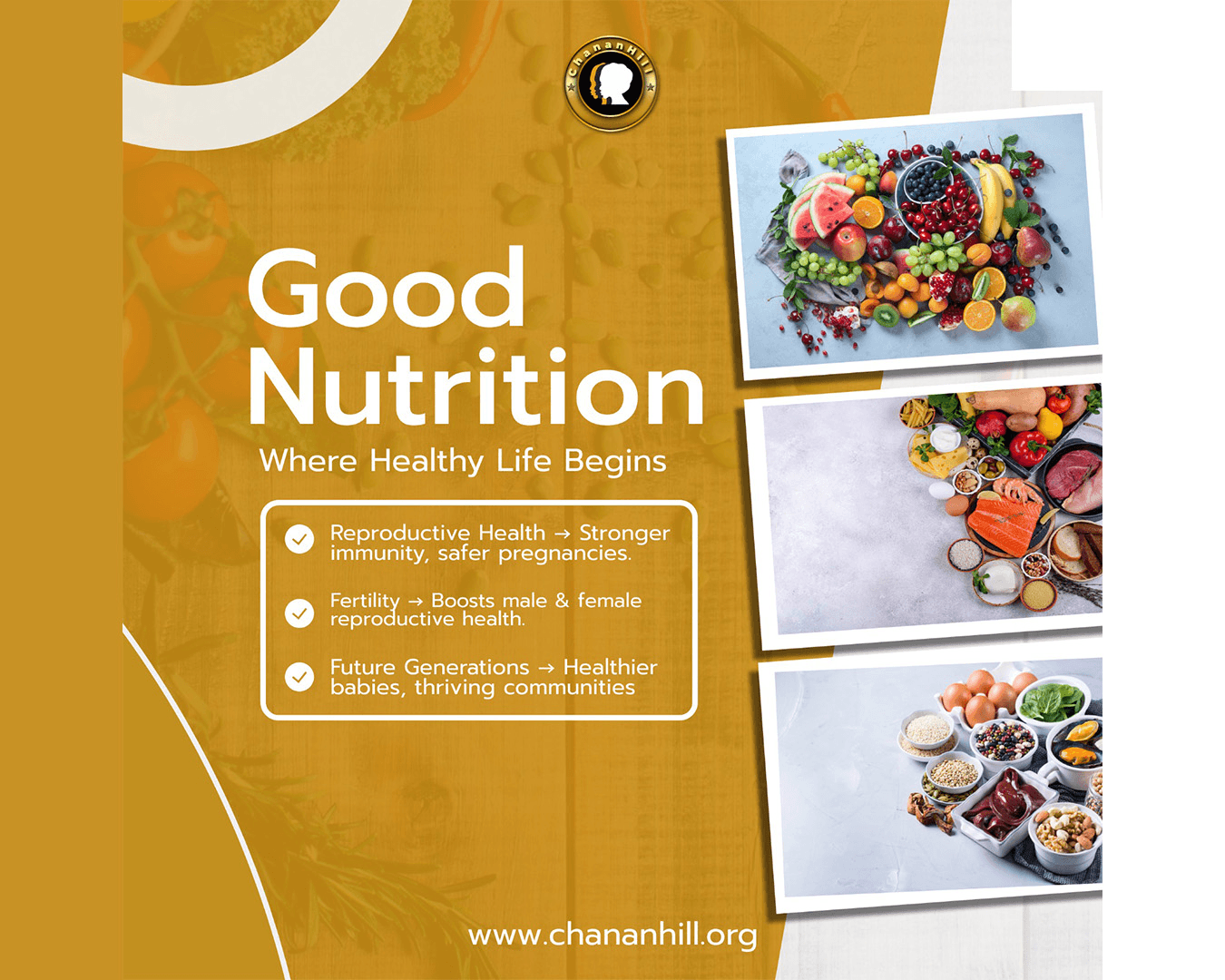
The Importance of Good Nutrition for Reproductive Health
Reproductive health is deeply connected to nutrition. The body needs a steady supply of specific nutrients to produce hormones, the chemical messengers that…

The Fridge Isn’t a Magic Box – Understanding Cold Storage & Microbial Growth
Many people treat their refrigerator like a magic preservation box, assuming that simply putting food inside will keep it safe indefinitely. This…