Antimicrobial resistance (AMR) occurs when bacteria, fungi, or other microbes change in ways that reduce the effectiveness of medicines, pesticides, or food preservatives. In food safety and agriculture, this means that antibiotics used in livestock may no longer treat animal diseases effectively, control plant pathogens, and chemical preservatives in stored food may lose their ability to prevent spoilage. Across global food systems, the misuse and overuse of antimicrobials, such as antibiotics in livestock production and pesticides in crop protection, have accelerated the spread of resistant microorganisms. These resistant bacteria and pathogens reduce the effectiveness of vital treatments, making it harder to prevent and control infections in plants and animals. As a result, AMR poses a serious risk to food safety, food security, and rural livelihoods.
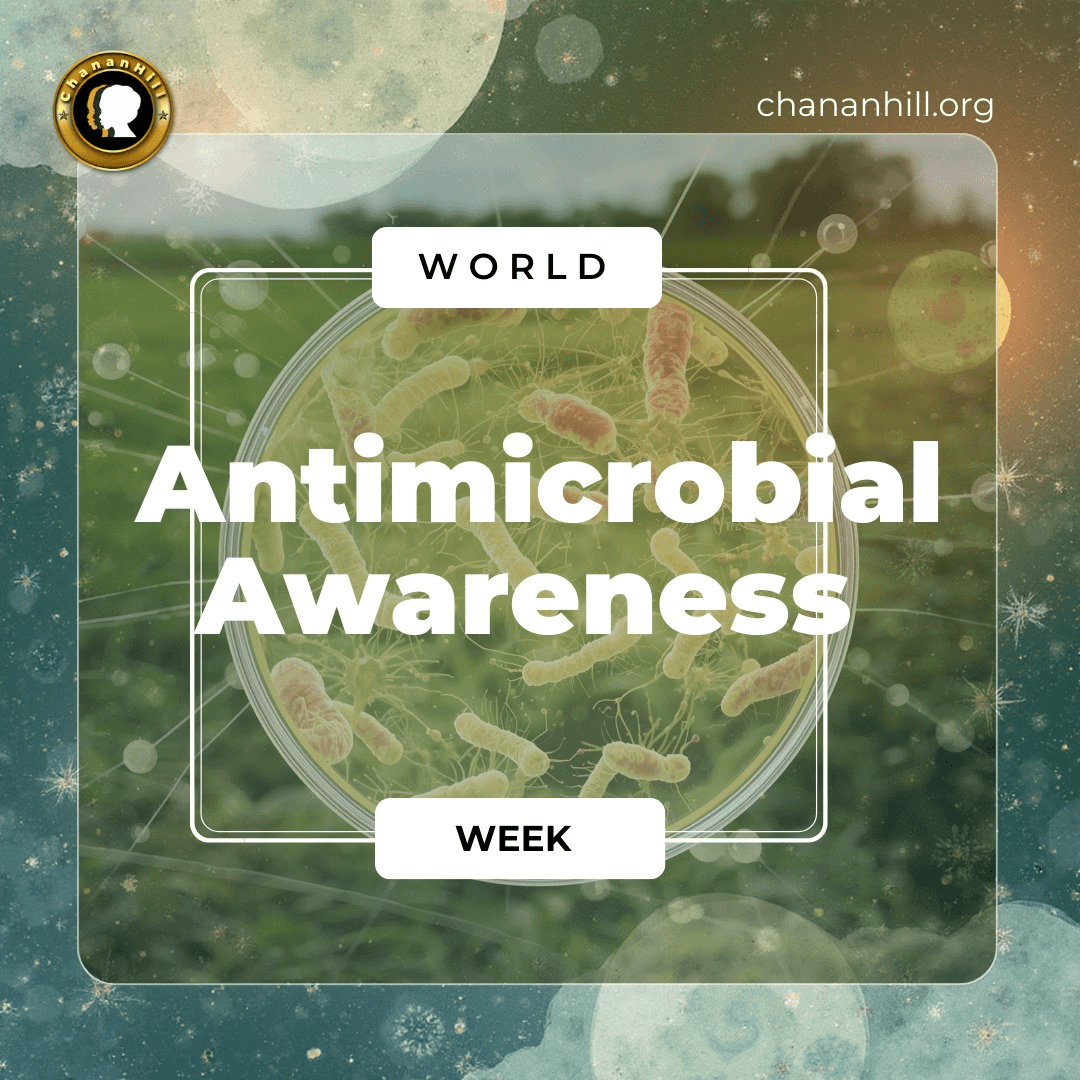
Recognizing the urgency of this challenge, the World Health Organization (WHO) has declared the theme for the 2025 World Antimicrobial Awareness Week (WAAW) as “Act Now: Protect Our Present, Secure Our Future.” This theme calls on farmers, veterinarians, policymakers, agricultural workers, and consumers to take responsible action to preserve the effectiveness of antimicrobials and protect our food systems for future generations.
Understanding Antimicrobial Resistance (AMR) in Food and Agriculture
Antimicrobials, including antibiotics, antifungals, and pesticides, are essential tools in maintaining the health of crops and animals. However, when these substances are used excessively or inappropriately, such as adding antibiotics to animal feed to promote growth, or applying chemical pesticides continuously on crops, microorganisms adapt and become resistant.
In livestock, resistant bacteria can spread through animal waste, soil, water, and food products, entering the food chain and contaminating meat, milk, and other animal-derived Foods. In crop farming, resistant plant pathogens develop when chemical control is overused, compelling farmers to apply higher doses of pesticides that harm soil health and biodiversity. Over time, these resistant microbes circulate between plants, animals, and the environment, creating a persistent cycle of resistance that impacts everyone involved in food production.
Impact on Food Safety and Agriculture
Antimicrobial resistance directly threatens the safety and sustainability of our food systems. Resistant bacteria and pathogens can survive standard food production and processing procedures, increasing the risk of foodborne contamination. When resistant microbes are present in meat, vegetables, or water, they can compromise food quality and consumer health.
In agriculture, AMR also drives production losses and higher costs. Farmers must use more inputs to control diseases that were once easy to manage. This cycle of chemical dependence reduces productivity, degrades the environment, and undermines efforts toward sustainable farming. Smallholder farmers face the highest burden, as resistant plant and animal diseases can wipe out entire harvests or livestock populations, threatening livelihoods and food security.
Actions to Combat AMR in Food Safety and Agriculture
To reduce antimicrobial resistance and protect food systems, coordinated action is needed across every level of the agricultural chain:
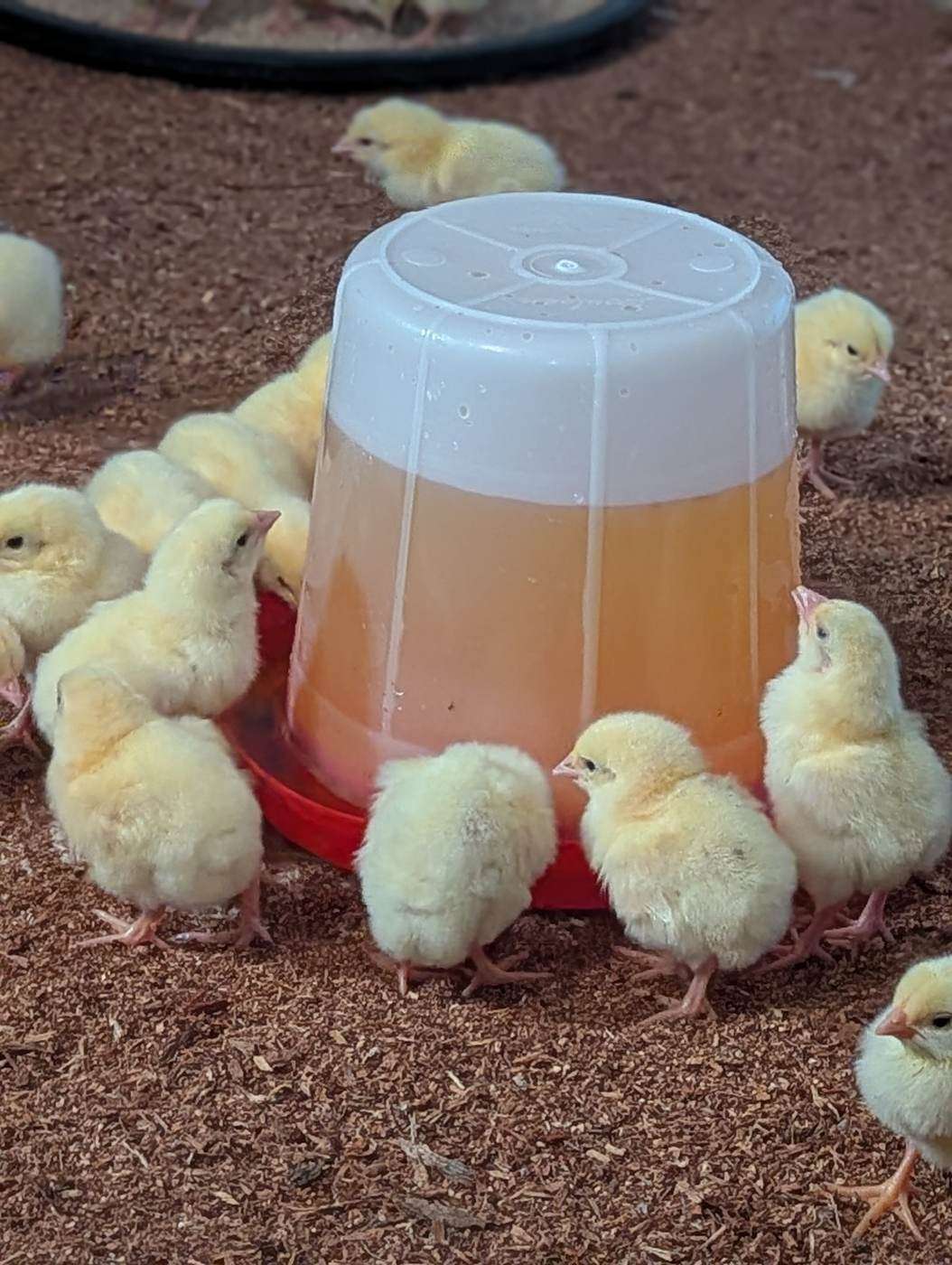
- For Livestock Farmers: Use antibiotics only under veterinary guidance; stop routine use for growth promotion; maintain good animal hygiene, housing, and vaccination programs; and practice strong farm biosecurity.
- For Crop Farmers: Adopt Integrated Pest Management (IPM) practices that combine biological control, crop rotation, and soil health management instead of relying solely on chemical pesticides.
- For Policymakers and Regulators: Enforce laws that restrict non-prescription antimicrobial sales; strengthen agricultural surveillance systems; and invest in farmer education, clean water, and waste treatment.
- For Consumers: Choose food from farms that promote responsible antimicrobial use and sustainable practices, and support awareness campaigns on food safety and AMR.
- For Researchers and Institutions: Develop safe alternatives such as probiotics, vaccines, and organic pest control solutions that reduce dependency on conventional antimicrobials.
When these actions are implemented together under the One Health approach, which recognizes the interconnectedness of human, animal, plant, and environmental health, they create stronger, more resilient food systems.
Conclusion
Antimicrobial resistance is a silent but escalating threat within food production and agriculture. Its impact on food safety, crop and animal health, and environmental integrity cannot be ignored. However, with awareness, innovation, and responsible practices, we can slow its spread and protect the tools that keep our food systems safe.