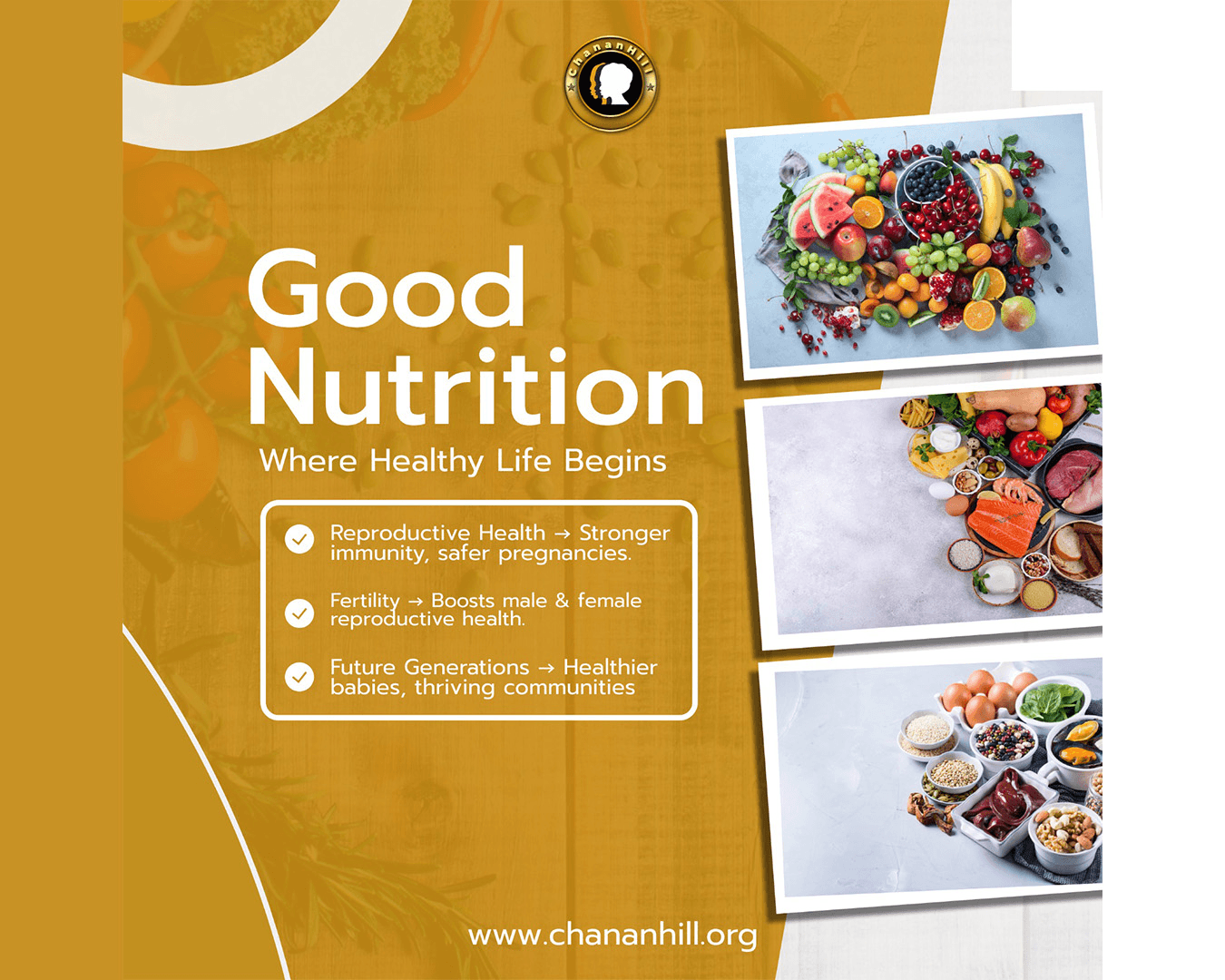
Reproductive health is deeply connected to nutrition. The body needs a steady supply of specific nutrients to produce hormones, the chemical messengers that regulate growth, mood, and reproductive functions. These hormones help regulate menstrual cycles, support fertility, and maintain healthy pregnancies. When the body lacks essential nutrients, hormone production and balance can be affected, leading to irregular cycles, reduced fertility, or complications during pregnancy.
For women, eating well is not just about maintaining energy or appearance; it’s a vital part of reproductive health at every stage of life, from adolescence through menopause. Balanced nutrition helps the body function properly, supports hormonal health, and provides the foundation for overall well-being.
How Nutrition Influences Reproductive Hormones
Nutrition plays a crucial role in regulating reproductive hormones in women. The body relies on nutrients to produce important hormones like estrogen and progesterone, which govern menstrual cycles, ovulation, and fertility. These hormones are synthesized from dietary fats, especially cholesterol and essential fatty acids found in foods such as eggs, fish, nuts, and avocados. When women lack enough healthy fats or calories, the body reduces hormone production to conserve energy, often resulting in irregular or missed periods and ovulation problems.
Micronutrients are also essential. Iron and B vitamins support blood formation and energy during the menstrual cycle, while zinc and selenium aid in hormone metabolism and ovarian function. Vitamin D helps maintain estrogen balance and regular periods.
Poor nutrition, restrictive dieting, or very low body weight can interfere with the signals between the brain and reproductive organs, decreasing hormone output and impacting fertility. In summary, a balanced, nutrient-rich diet is vital for maintaining hormonal balance, regular menstrual cycles, and reproductive health at every stage of a woman’s life.
Key Nutrients for Menstrual Health
Iron: Blood loss during menstruation reduces iron stores. Iron deficiency can cause anemia, fatigue, and heavy periods. Women of reproductive age need about 18 mg of iron daily. Good sources include lean meats, beans, fortified cereals, and dark leafy greens.
B Vitamins: Folate (vitamin B9) and vitamin B12 help form red blood cells and support energy metabolism. Deficiencies can lead to anemia and fatigue during menstruation.
Magnesium: This mineral helps control muscle contractions and may lessen menstrual cramps. It’s found in nuts, seeds, whole grains, and leafy greens.
Nutrition and Fertility
Nutrition can influence fertility outcomes in women. Several nutrients have specific roles:
Folate: Also called folic acid when synthetic, folate is key for DNA formation and cell division. Getting enough folate before conception lowers the risk of neural tube defects in the developing embryo. Women planning pregnancy should aim for 400-800 mcg of folate daily via food or supplements.
Zinc: Involved in cell division and hormone regulation, zinc deficiency can impair ovulation in women. In men, zinc is necessary for sperm production and testosterone metabolism. Sources include meat, shellfish, legumes, and seeds.
Antioxidants: Vitamins C and E, along with selenium, are antioxidants found in fruits, vegetables, nuts, and seeds.
Omega-3 Fatty Acids: These essential fats influence hormone production. They’re present in fatty fish, walnuts, and flaxseeds.
Nutrition During Pregnancy
Pregnancy greatly raises nutritional needs. Key nutrients include:
Folate: Especially important in the first trimester for neural tube development. Lack of it raises the risk of birth defects.
Iron: Needs go up during pregnancy to support increased blood volume and fetal growth. Iron deficiency can lead to complications.
Calcium and Vitamin D: Vital for developing fetal bones. The body may take calcium from the mother’s bones if dietary intake isn’t enough.
Protein: Assists in tissue growth for both mother and baby. Protein needs increase by about 25 grams daily during pregnancy.
Iodine: Needed for thyroid function and fetal brain development. It’s found in iodized salt, seafood, and dairy.
Poor nutrition before and during pregnancy raises the risk of complications.
Polycystic Ovary Syndrome (PCOS) and Nutrition
Polycystic Ovary Syndrome (PCOS) is a common hormonal disorder that affects women of reproductive age. It is often characterized by irregular menstrual cycles and higher levels of androgens, the hormones typically present in larger amounts in men. Many women with PCOS also experience insulin resistance, a condition where the body doesn’t use insulin effectively, leading to higher blood sugar levels and weight gain.
Nutrition plays an important role in managing PCOS. Eating balanced meals that include complex carbohydrates, fiber-rich foods, and lean proteins can help stabilize blood sugar levels and improve hormone balance. Regular physical activity and maintaining a healthy weight can also help reduce symptoms and support overall reproductive health.
Micronutrient Deficiencies in Low-Resource Settings
In areas with limited access to diverse foods, micronutrient deficiencies affect many women:
Vitamin A Deficiency: Impairs immunity and vision.
Iodine Deficiency: Affects thyroid health and is especially important during pregnancy for brain development.
Iron Deficiency: Common worldwide among women of reproductive age, causing anemia and exhaustion.
Practical Nutrition Tips to Support Reproductive Health
To promote reproductive health through nutrition:
- Eat a varied diet including fruits, vegetables, whole grains, lean meats, and healthy fats.
- Make sure to get enough iron via animal sources or plant-based options with vitamin C.
- Take enough folate, especially when planning pregnancy.
- Maintain a healthy weight through balanced eating instead of extreme dieting.
- Cut back on processed foods and added sugars.
- Stay well-hydrated.
- Talk with healthcare providers about your individual nutritional needs, especially before pregnancy.
Conclusion
Nutrition and reproductive health are closely linked. The body relies on adequate nutrients to produce hormones, regulate menstrual cycles, support fertility, and maintain healthy pregnancies. When women experience poor nutrition, the risk of health complications increases, affecting both maternal and child well-being.
Improving the nutrition of women in their reproductive years leads to better health outcomes for families and communities. In areas where access to food is limited, ensuring that women receive adequate and balanced nutrition is essential. Good nutrition is not just important; it is fundamental to maternal health, safe pregnancies, and the healthy growth of future generations.