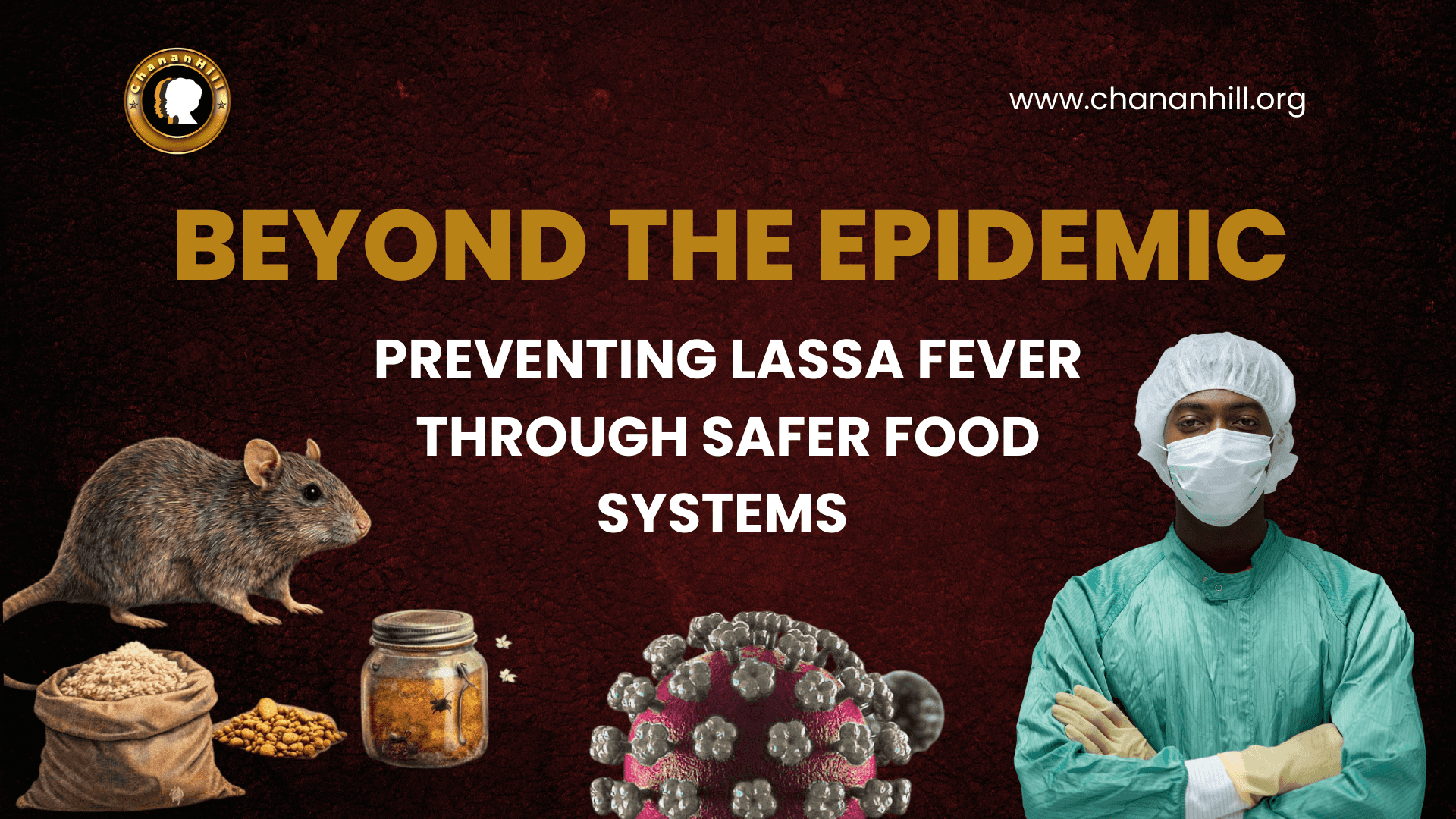
Nigeria is once again battling a surge of Lassa fever. The Lassa virus is carried by the Mastomys rat (multimammate mouse), a rodent so common that it’s found in both rural villages and urban neighborhoods. These rats don’t keep their distance; they live among us, and they shed the virus through their urine and droppings.
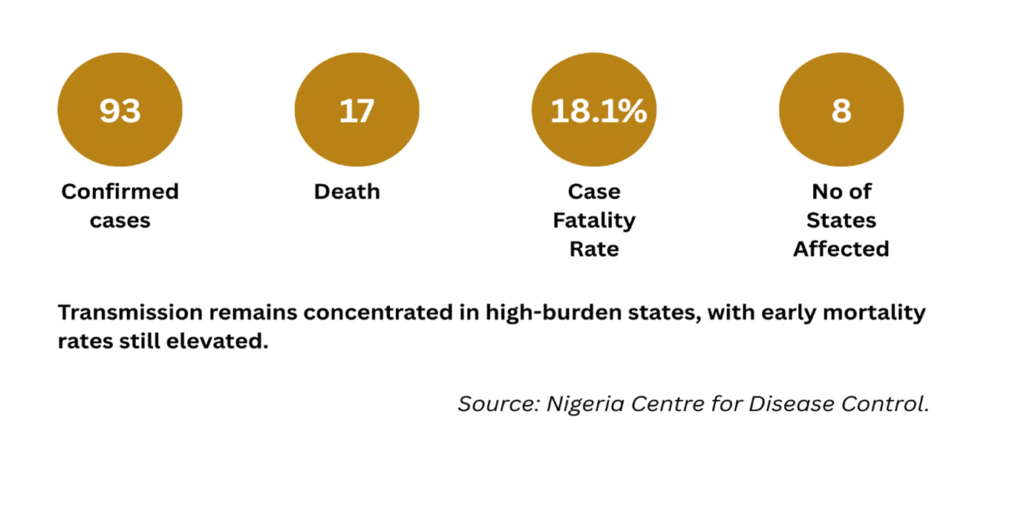
In just the first three weeks of 2026, the Nigeria Centre for Disease Control and Prevention (NCDC) has confirmed 93 cases and 28 deaths across multiple states. While media coverage focuses on this viral hemorrhagic disease, a critical angle that doesn’t get enough attention is how we store our food, which directly affects our risk of infection.
The truth is that Lassa fever is not just a medical problem; it is also a food safety and environmental hygiene challenge that affects every household, market vendor, and community across endemic states.
The Numbers Tell a Troubling Story
According to NCDC reports, the scale of Nigeria’s Lassa fever crisis has expanded dramatically:
- 2024: 10,450 cases reported (1,309 confirmed), with 190-214 deaths across 28 states
- 2025: Over 1,100 confirmed cases with 215 deaths (case fatality rate: 18-19%)
- First 3 weeks of 2026: 93 confirmed cases, 28 deaths already recorded
Between 2018 and 2023, Lassa fever spread from state to state, now impacting over 17% of Nigeria’s 774 local government areas. What was once concentrated in a few northern and southern states has become a nationwide endemic.
How Infection Happens and Why It Escalates Quickly
Research conducted among households, foodstuff sellers, and cassava processors in endemic states paints a clear picture. The practices that significantly increase contamination risk include:
- Storing food at ground level
- Drying food products on bare surfaces in open air
- Using containers that are not airtight
- Poor waste management around homes and markets
These are not rare practices; they are everyday realities for millions of Nigerians.
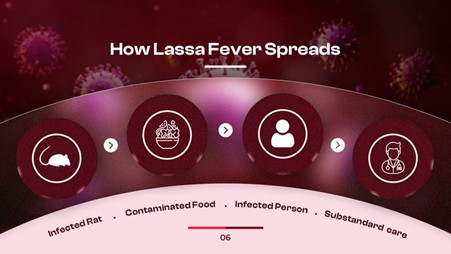
The Lassa virus can enter the body in several ways:
- Ingesting contaminated food or drink. The most common route is contamination of food or household items with rat urine or feces.
- Inhaling dust containing dried rodent urine or droppings, especially during cleaning or sweeping in areas where rodents have been.
- Direct contact with contaminated surfaces or rat excreta through broken skin or mucous membranes, e.g., cuts or open wounds touching contaminated objects or surfaces.
- Person-to-person transmission via bodily fluids (such as blood, urine, or other secretions) can occur, particularly in healthcare or caregiving settings without proper protection.
Once inside the body, the virus doesn’t just cause illness; it actively sabotages your immune system. It suppresses your body’s defense mechanisms, disrupts immune signaling, and in severe cases, damages blood vessels and vital organs.
This immune suppression is why what starts as fever, weakness, and headache can rapidly spiral into something far more serious if treatment is delayed. About 80% of cases are asymptomatic or mild, but 20% develop severe symptoms, including bleeding, organ failure, and dangerously low blood pressure. The virus essentially disarms the very system designed to fight it off.
Most deaths occur within 7 days of hospital admission, and the median time between symptom onset and reaching medical care is 8 days, highlighting the critical importance of early detection and treatment.
Why Some Communities Are More Vulnerable
Lassa fever doesn’t affect everyone equally. Environmental and socio-economic factors create a perfect storm of vulnerability:
- Poverty limits access to proper storage containers and housing repairs
- Overcrowded housing makes rodent control nearly impossible
- Flooding during rainy seasons drives rats into homes seeking shelter
- Climate changes are altering rodent population dynamics and disrupting their natural habitats
- Poor sanitation provides food sources that attract and sustain large rodent populations
The seasonal pattern is stark: transmission peaks during the dry season (November to March) when natural food sources become scarce, forcing rodents to seek food in human settlements. This is precisely when we see the annual surge in cases.
When these factors converge, they don’t just increase rodent populations; they exponentially multiply exposure risks. The northern regions of Nigeria face economic difficulties that undermine preventive measures, resulting in greater workforce productivity losses and economic stagnation.
Healthcare Workers at Risk
Between 2020 and 2024, healthcare workers have consistently been affected, with 42 cases reported among them in just the first 15 weeks of 2023 alone. In the current 2026 outbreak, a frontline medical doctor in Plateau State tragically died while treating infected patients, raising serious concerns about infection control and healthcare worker safety.
Five Practical Steps That Make a Real Difference
The good news? Significant protection comes from straightforward changes in how we handle and store food:
- Seal Your Food Properly
Store all food items, especially grains and dried products, in tightly sealed, rodent-proof containers. If rats can’t access it, they can’t contaminate it.
- Elevate Your Storage
Never place food directly on the floor. Even a few inches of elevation on pallets or shelves dramatically reduces contamination risk.
- Block Entry Points
Inspect your home and storage areas regularly. Seal cracks, gaps, and holes that rats use to enter. Pay special attention to areas around pipes and ventilation.
- Practice Hygiene Consistently
Wash your hands thoroughly before handling any food. Clean storage containers regularly, even if they look clean. Contamination is often invisible.
- Recognize Warning Signs Early
If you develop a fever that doesn’t respond to malaria treatment within 2-3 days, seek medical care immediately. Early treatment significantly improves outcomes. Remember: most deaths occur within the first week of hospitalization, so time is critical.
Additional warning signs include sore throat, muscle pain, chest pain, vomiting, diarrhea, cough, and, in severe cases, bleeding from the gums or other sites.
The Bottom Line
With 8 states now affected and cases already mounting in early 2026, Lassa fever will continue to re-emerge if rodents have easy access to our food supply.
Every sealed container, every elevated storage area, every sealed crack in a wall, are acts of prevention that adds up to real protection.
The epidemiological data are clear: the disease is expanding geographically, maintaining high fatality rates, and overwhelming healthcare infrastructure. But the solution begins with something we can all control: how we store and protect our food.
Safe food storage is not just about keeping food fresh. It is about keeping families healthy and communities safe.