
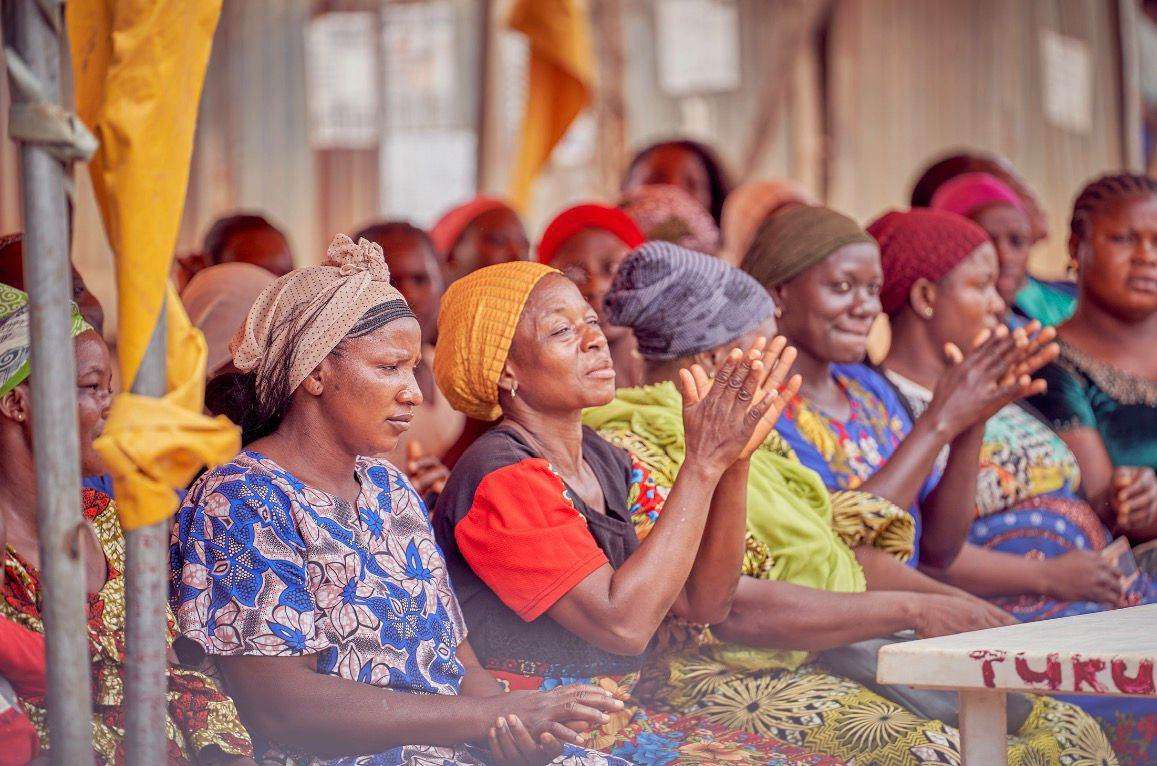
Malnutrition and poor dietary practices remain significant public health challenges in Nigeria, particularly among women and vulnerable households. Limited nutrition knowledge, food affordability, and household poverty often prevent families from achieving balanced diets. Women of reproductive age face additional nutritional challenges due to their increased dietary needs and central role in household food preparation and care.
Poor nutrition can contribute to micronutrient deficiencies, weakened immunity, poor maternal health outcomes, and increased vulnerability to disease. It also affects children’s growth and development, reinforcing intergenerational cycles of malnutrition and poverty.
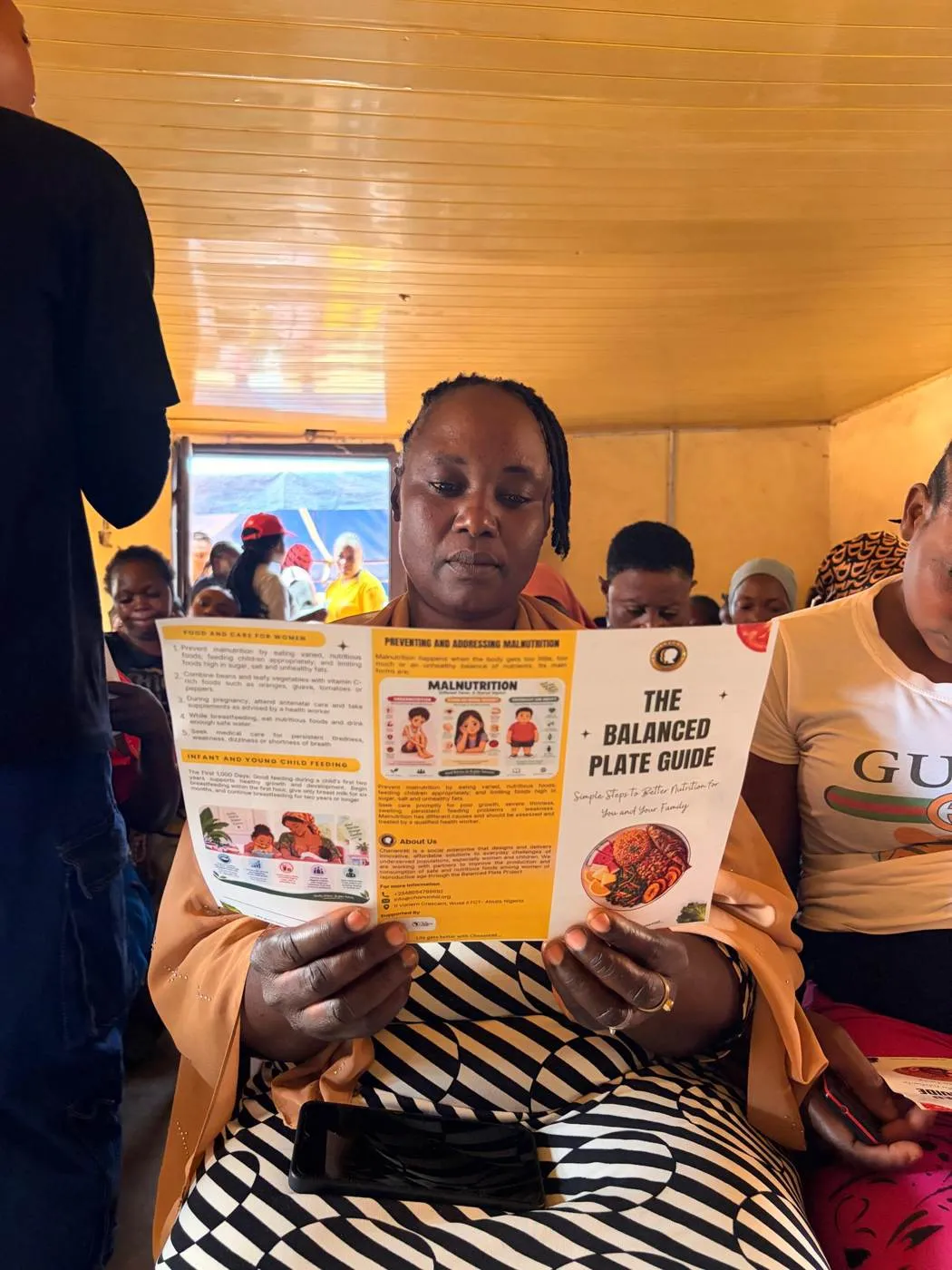
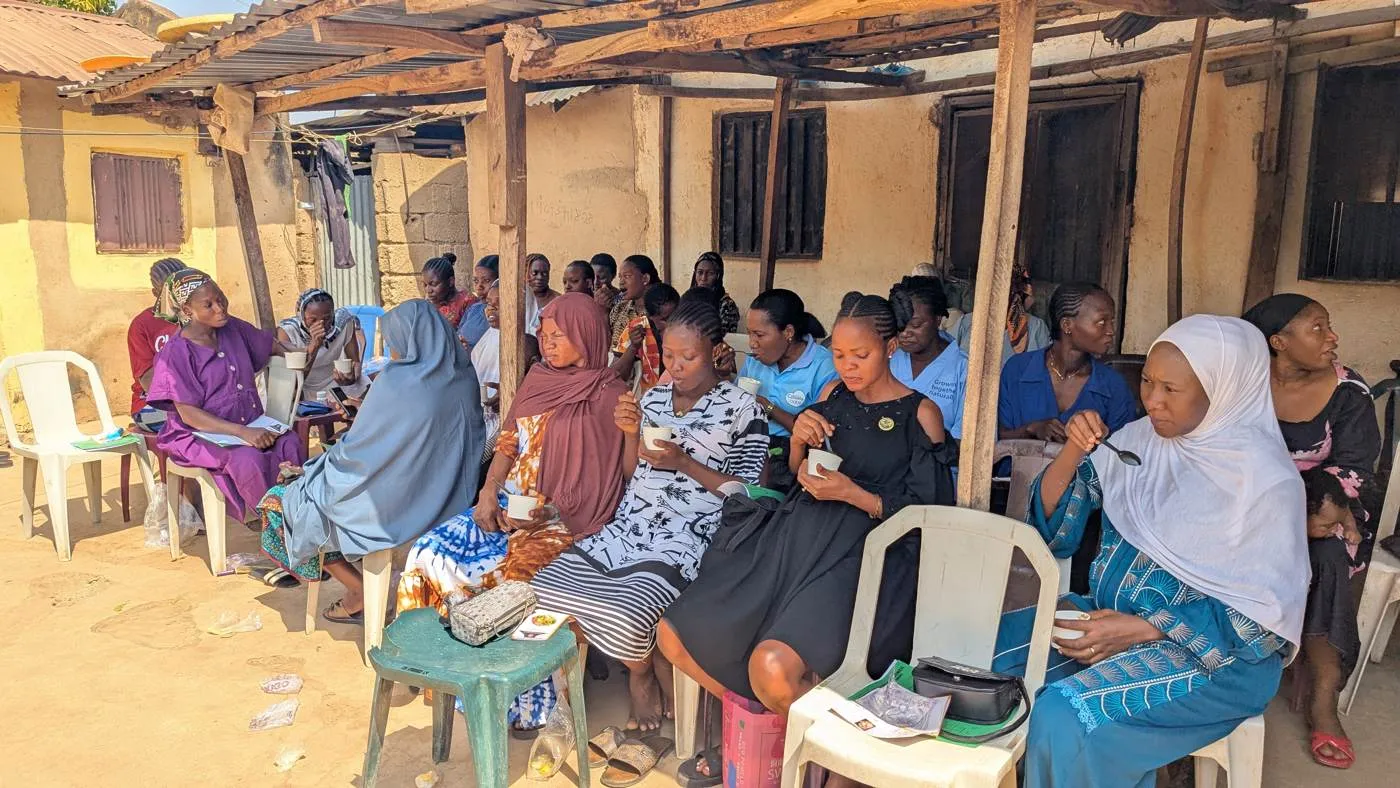
Through the Balanced Plate approach, women are encouraged to understand the importance of dietary diversity, appropriate food combinations, portion balance, and the inclusion of different food groups in their daily meals. The initiative promotes practical, affordable, and locally adaptable approaches to healthy eating, recognising the realities and resource constraints faced by households in underserved communities.
Currently implemented in Waru and Aso Pada, the Balanced Plate Project has reached over 500 women with practical nutrition education to support healthier dietary choices for themselves and their families.
By strengthening women’s nutrition knowledge and decision-making capacity, the initiative supports healthier household practices and contributes to improved well-being and more resilient communities.
Stories from this project
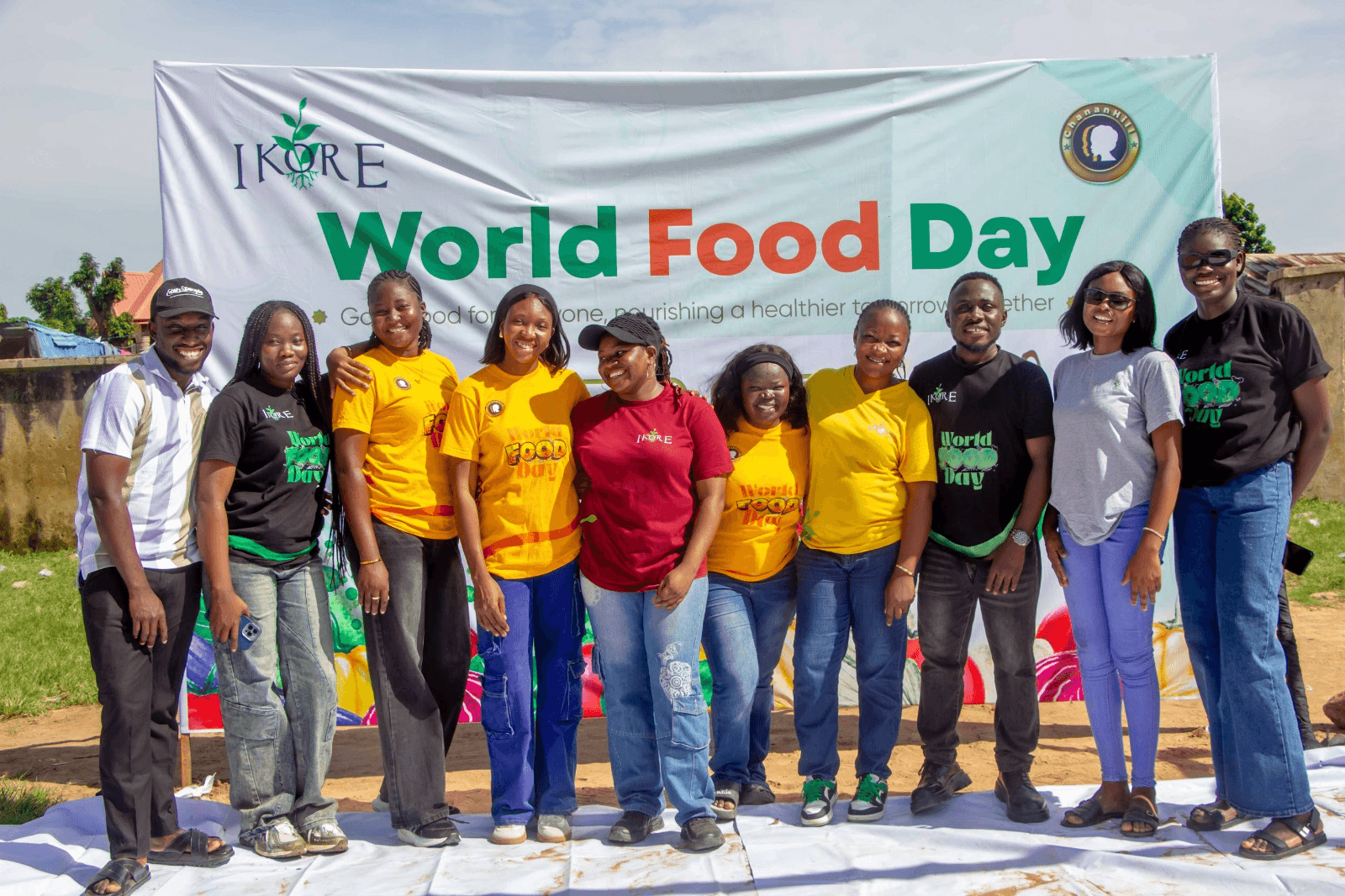
ChananHill marks World Food day through the Balanced Plate Project
On 15 October, ChananHill, in collaboration with Ikore, brought community members together at Waru Community, Abuja, for a nutrition education and food…