
Ongoing · Nutrition, Women’s Economic Empowerment
Women’s Improved Nutrition for Wellness and Income in Northern Nigeria (WINWIN)
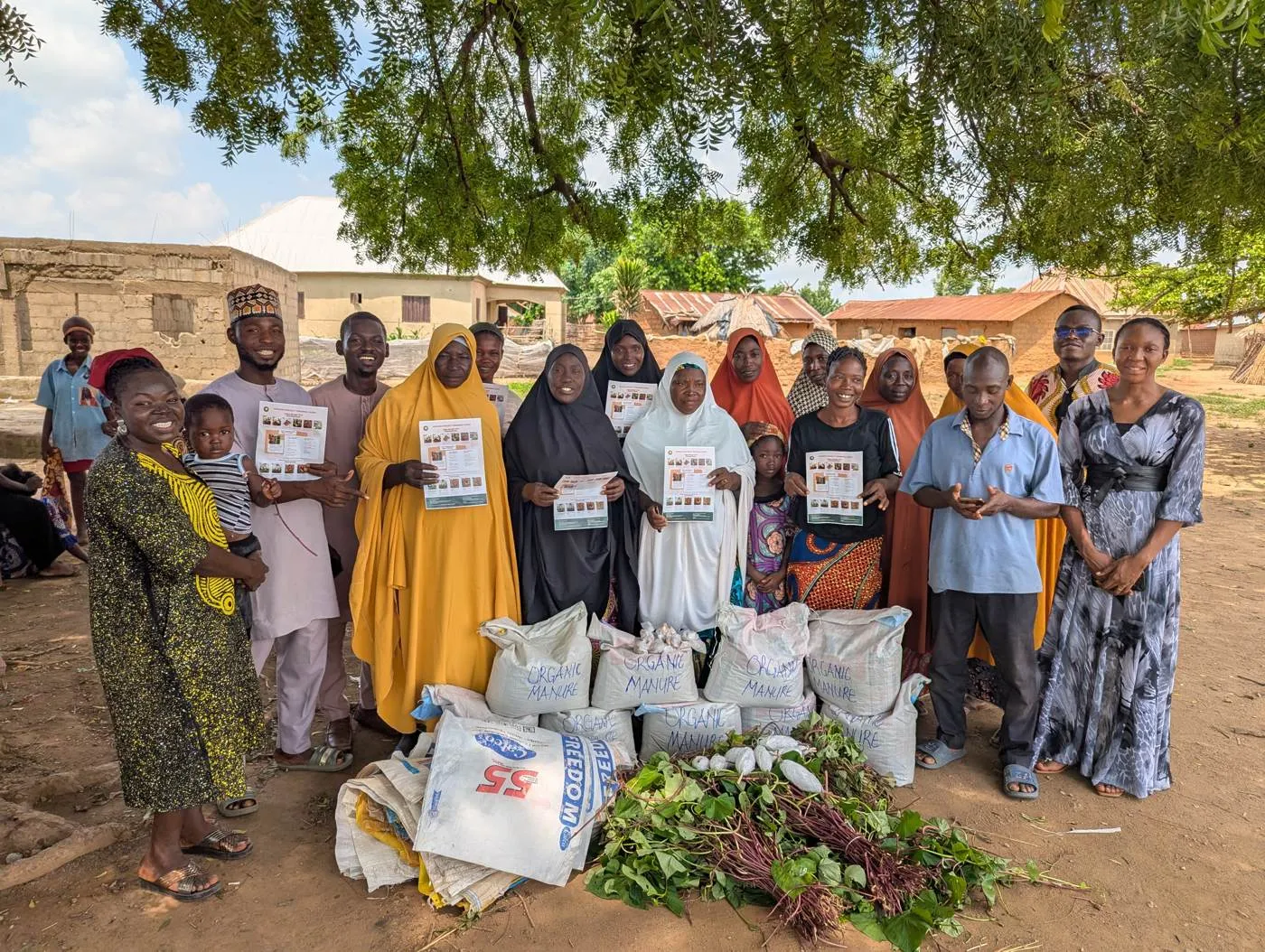
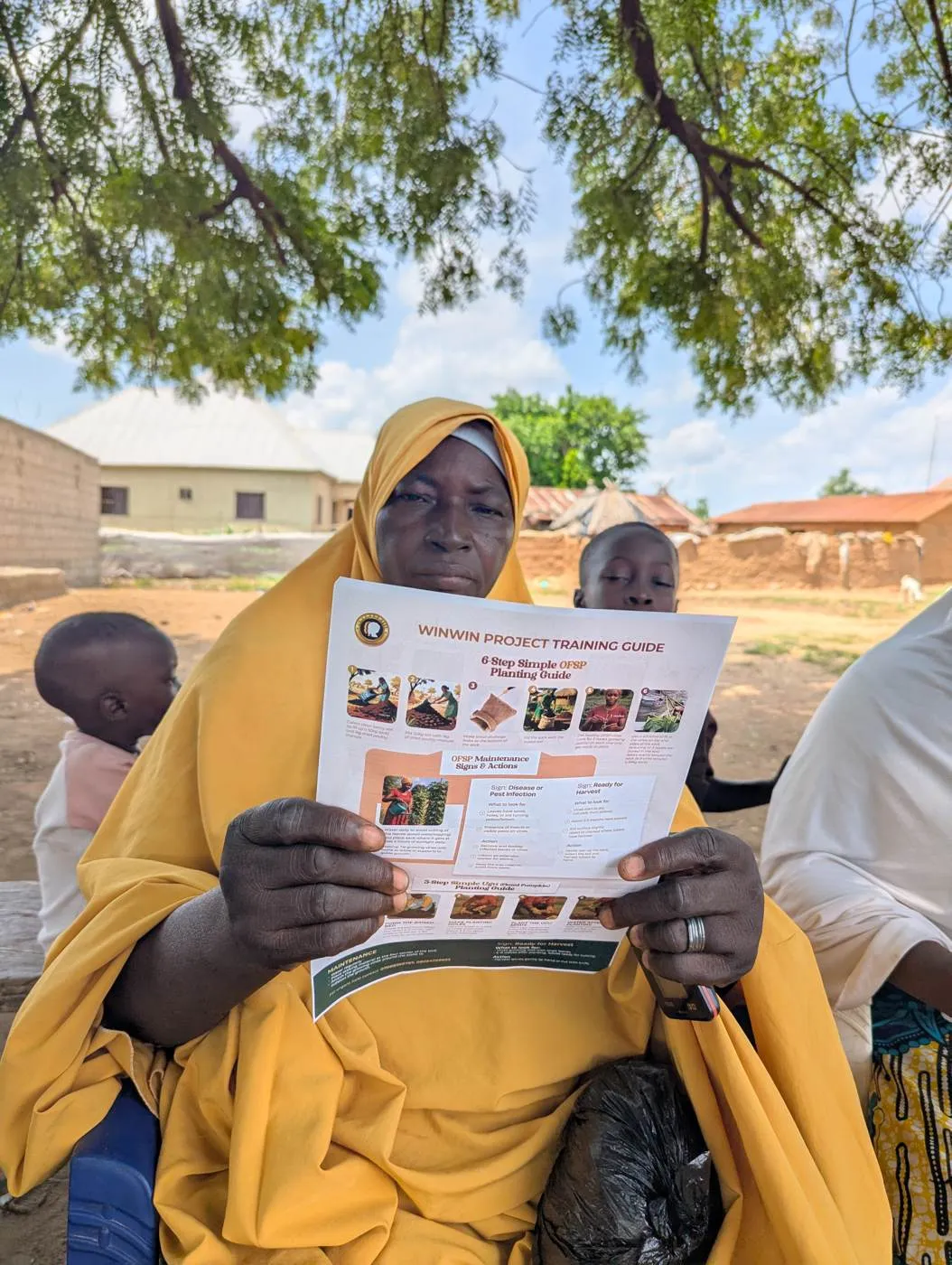
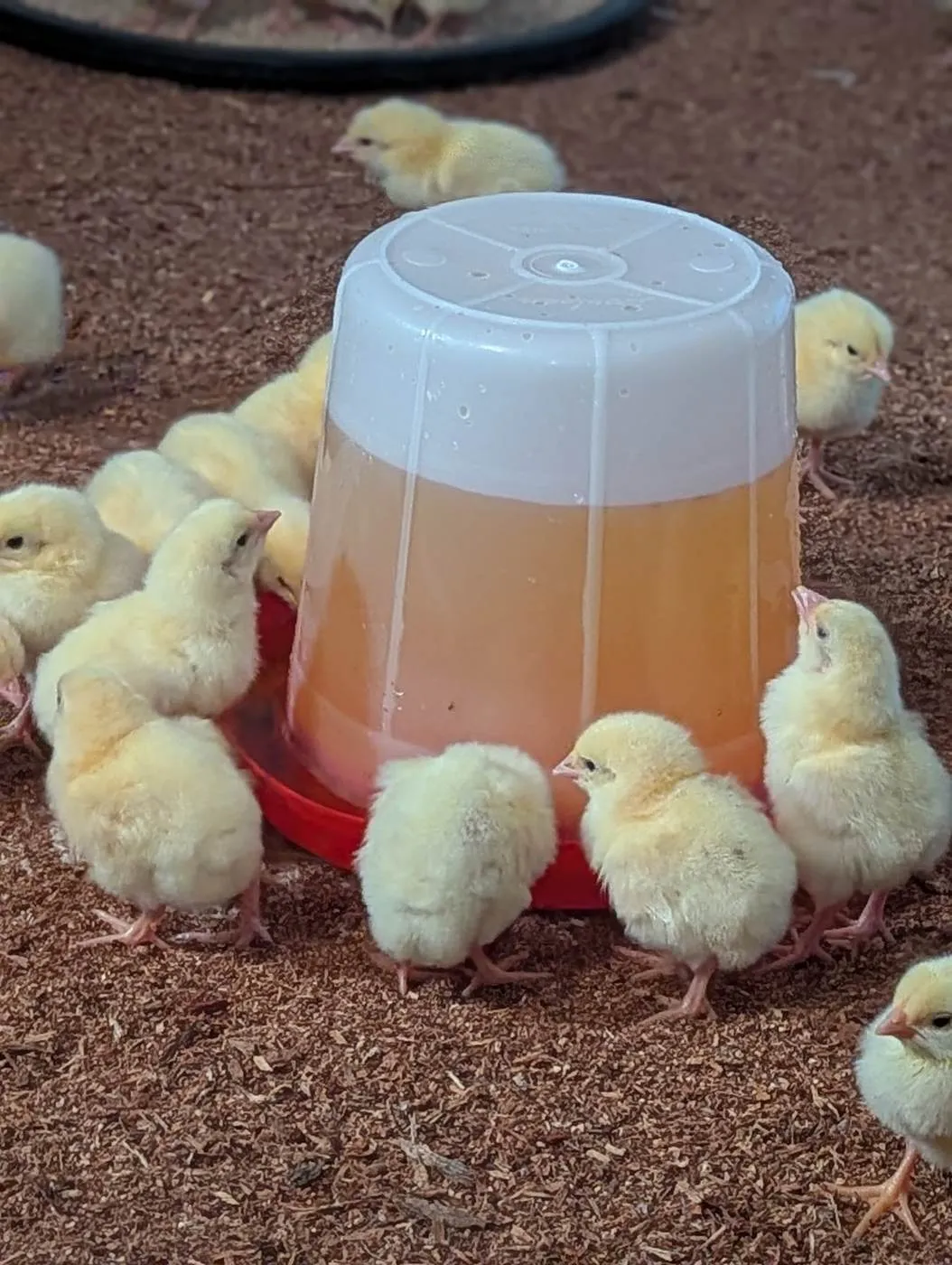
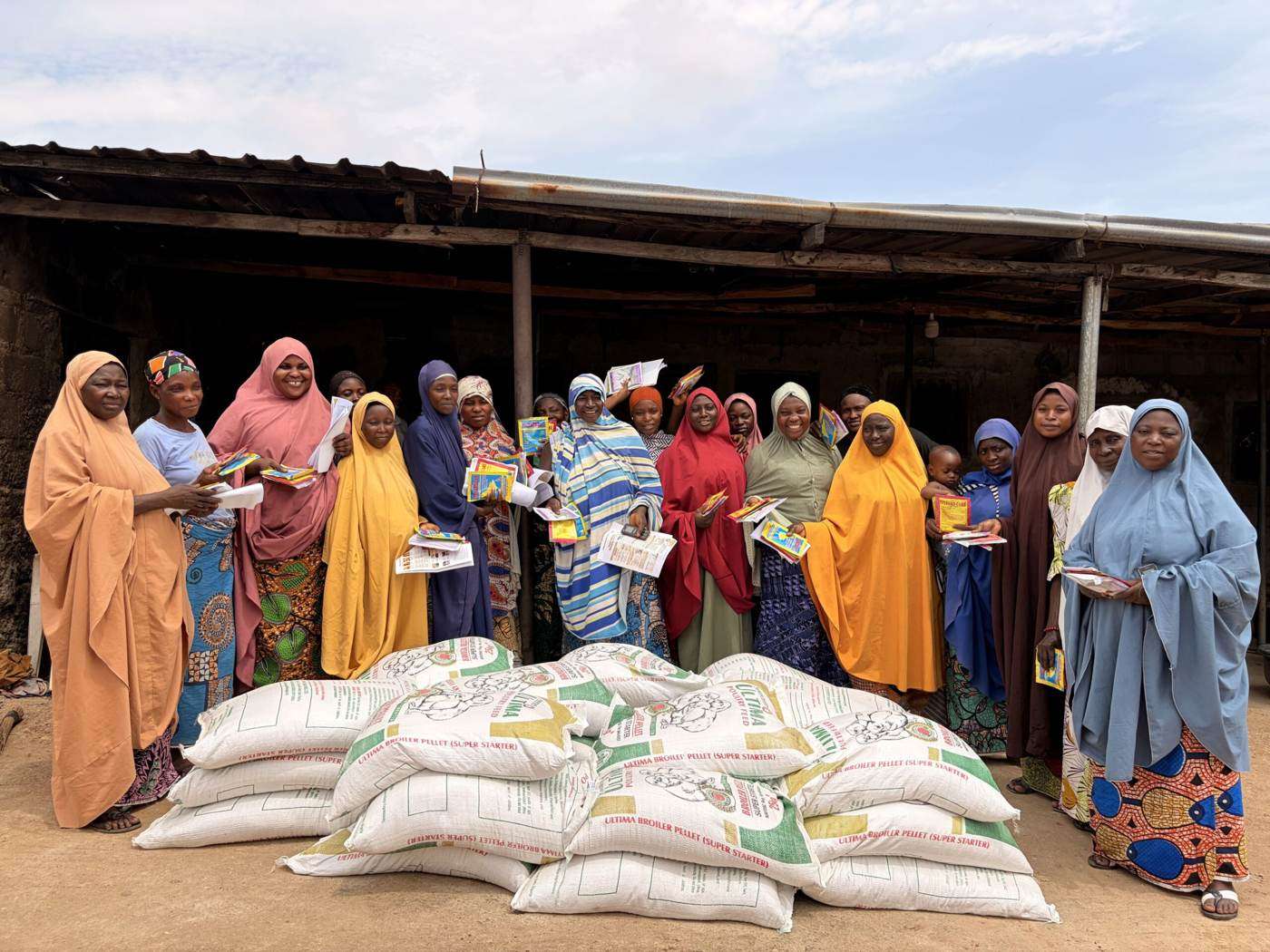
The Women’s Improved Nutrition for Wellness and Income in Northern Nigeria (WINWIN) project is an innovative intervention designed to address the intersecting challenges of poverty, economic exclusion, and malnutrition among women of reproductive age in Northern Nigeria. Through an integrated approach combining poultry farming, crop cultivation, and financial literacy training, WINWIN empowers nutritionally vulnerable women to build sustainable livelihoods while improving household nutrition outcomes.
Women in Northern Nigeria face a complex web of challenges that perpetuate cycles of poverty and malnutrition. Limited income restricts access to diverse, nutrient-rich diets, significantly impacting women, especially those in rural and peri-urban areas, who are disproportionately affected by malnutrition. A lack of technical knowledge and business skills makes it difficult to effectively manage agricultural enterprises or make informed nutritional choices. Moreover, limited market linkages and value chains, cultural norms, constrained mobility, and household dynamics often prevent women from fully engaging in economic activities.
The main objectives are to empower nutritionally vulnerable women by equipping them with the tools, skills, and market linkages necessary to engage in sustainable poultry farming and cultivation of nutrient-dense crops, increasing their income, improving nutrition, establishing market linkages and building capacity.
With 37 women beneficiaries in Kwali, the WINWIN project represents a proven, scalable approach to women’s economic empowerment that addresses root causes of poverty and malnutrition and with appropriate support and implementation, WINWIN can serve as a catalyst for transforming the economic prospects of women while strengthening food security and nutrition outcomes at the household and community levels.
Stories from this project
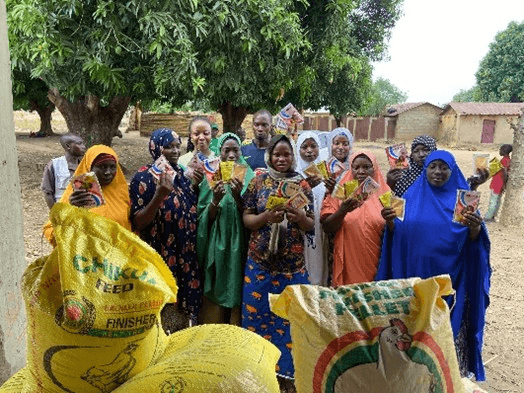
Improving Nutrition and Livelihoods amongst rural women in Northern Nigeria
In Northern Nigeria, malnutrition is deeply tied to poverty. When families face financial hardship, their food options become restricted, leaving women and…