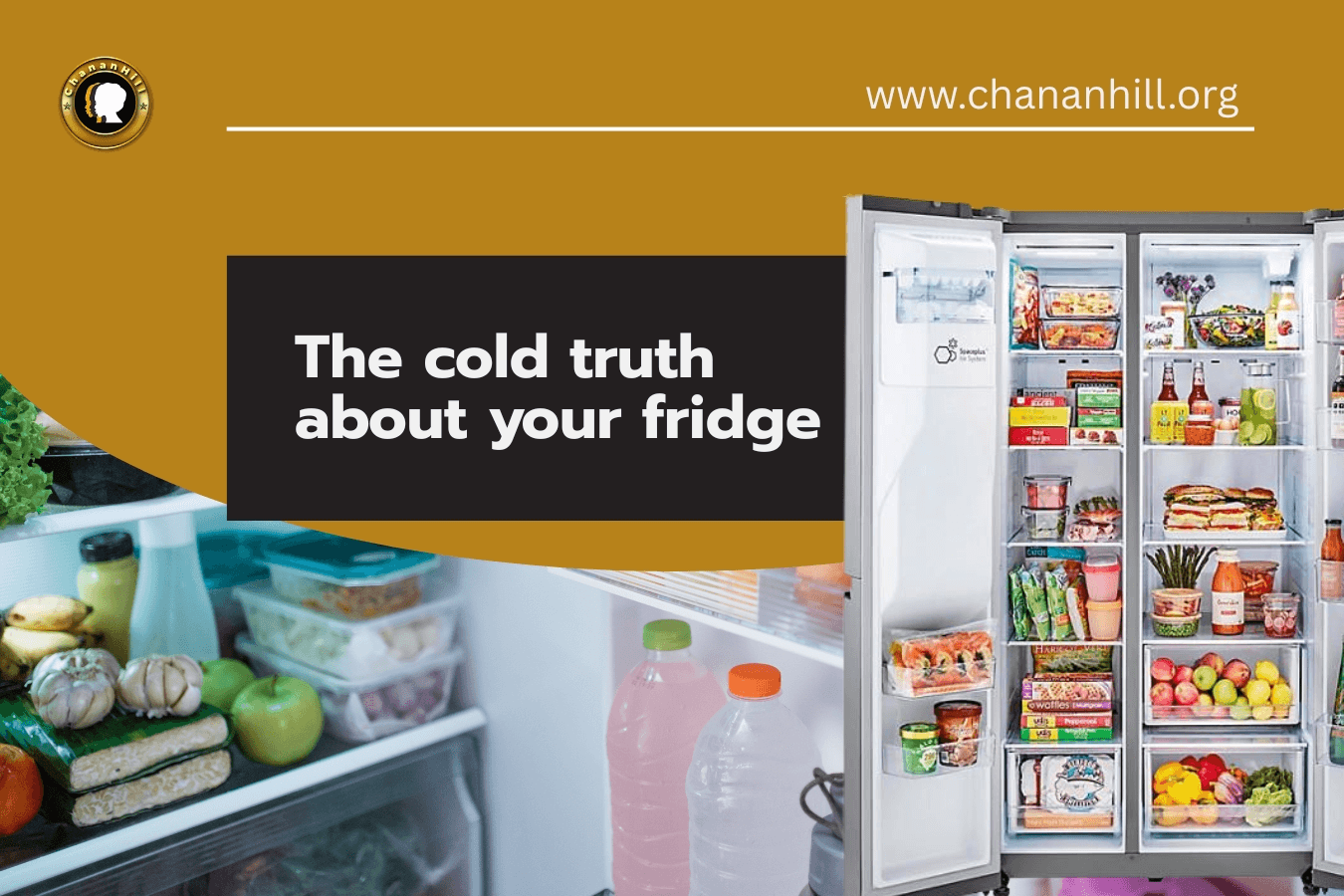
Many people treat their refrigerator like a magic preservation box, assuming that simply putting food inside will keep it safe indefinitely. This misconception can lead to food spoilage, waste, and even foodborne illness. While refrigeration significantly slows down bacterial growth and extends food shelf life, it doesn’t stop all microbial activity or guarantee food safety on its own. Understanding how refrigeration works and how to use it effectively is essential for maintaining food safety, preserving nutritional value, and preventing foodborne illnesses.
Refrigeration remains one of the most important, common, and effective methods of food preservation. Nevertheless, a common misconception persists that refrigeration completely stops spoilage or eliminates harmful microorganisms. Cold storage only slows down microbial growth; it does not destroy microbes. Refrigeration lowers temperatures to around 0–4°C, significantly reducing the metabolic activity of most bacteria, molds, and yeasts. However, this does not kill them.
Some pathogens, such as Listeria monocytogenes, Pseudomonas species, and Yersinia enterocolitica, are classified as psychrotrophs, meaning they can continue to grow, albeit slowly, even at refrigerator temperatures. As a result, food can still spoil or pose a health risk if stored for too long, even in a properly working fridge.
According to the Agriculture Institute (2025), freezing food at -18°C can effectively halt microbial activity, but it does not kill all bacteria. Once thawed, any surviving microbes can become active again and multiply rapidly if the food is not handled safely.
Common Refrigeration Mistakes That Promote Microbial Growth
- Incorrect fridge temperature: Many households unknowingly store food at 5–6°C. The recommended temperature is below 4°C, ideally between 1 °C and 3°C. A 2025 European study found that more than 40% of domestic fridges exceeded this threshold (Food Safety News, 2025).
- Improper storage: Storing raw meat above ready-to-eat foods can lead to cross-contamination. Leaking meat juices can spread pathogens to other foods, especially if those foods are not reheated.
- Overstocking: An overloaded fridge blocks air circulation, leading to uneven temperatures and potential warm spots that allow microbes to thrive.
- Storing hot food: Putting hot food directly into the fridge raises the internal temperature, temporarily pushing it into the “danger zone” (5–60°C) where bacteria grow fastest. Foods should be cooled quickly (within 2 hours) before refrigeration.
- Poor hygiene: Dirty shelves, spills, and expired products can harbor cold-tolerant bacteria like Listeria, which thrive in moist refrigerator environments.
Refrigeration and Nutritional Value
Beyond microbial control, refrigeration also helps preserve nutritional quality:
- Vitamin C and B vitamins are sensitive to heat and light, but are better preserved at cold temperatures.
- Lipids in milk and meats are less likely to go rancid when cold.
- However, extended storage, even when refrigerated, can still cause texture changes, flavor loss, and nutrient degradation.
Best Refrigeration Practices for Food Safety
To optimize your refrigerator for safety and nutrition:
- Keep the temperature at or below 4°C (use a thermometer).
- Store raw meat, poultry, and seafood on the bottom shelf in sealed containers.
- Use shallow containers to cool leftovers quickly before refrigerating.
- Label foods with storage dates and follow the “first in, first out” rule.
- Clean the fridge weekly, wiping up spills immediately.
- Don’t overfill—allow space for air to circulate.
- Avoid storing perishable foods in the door, where temperatures fluctuate.
Conclusion
The refrigerator is a helpful tool in keeping food safe, but it’s not a complete solution on its own. It slows down the growth of harmful microorganisms, but it doesn’t stop it entirely. This is why safe food handling, proper storage temperatures, and consuming food within recommended timeframes are important. By promoting awareness and providing practical training, we can help individuals and families use refrigeration more effectively, protecting their health, reducing food waste, and ensuring their meals are both safe and nutritious.