Fermentation is one of the oldest and most natural ways to preserve food and enhance its nutritional value. Long before refrigeration and industrial food processing, people across cultures used fermentation as a reliable method to extend the shelf life of perishable foods and reduce food waste (FAO, 2023). Today, as communities continue to face challenges like unreliable electricity, limited cold storage, and food insecurity, fermentation is gaining renewed attention as a low-cost, sustainable, and health-promoting practice.
More than just a method of preservation, fermentation is a process that transforms raw ingredients into richer, more digestible, and often more flavorful forms. It allows beneficial microorganisms, like lactic acid bacteria and certain yeasts, to break down sugars and starches, producing acids or alcohols that naturally protect food from spoilage. At the same time, these microbes improve nutritional quality, aid digestion, and promote the growth of healthy gut bacteria (WHO, 2024).
For individuals and households reached by Chanan Hill’s nutrition and food safety efforts, understanding and using safe fermentation practices can lead to healthier diets, stronger immunity, and less reliance on expensive or energy-intensive storage methods. Fermented foods like pap (Ogi), yogurt, and locally prepared staples not only support better health but also empower families, especially women and caregivers, to make nutritious, affordable meals with available resources.
What Is Fermentation?
Fermentation is a metabolic process in which microorganisms such as bacteria, yeast, or molds break down sugars and starches in food. This process produces natural acids, gases, or alcohol, which help to:
- Preserve food by inhibiting the growth of spoilage-causing organisms (FAO, 2023)
- Enhance flavors and textures
- Increase the bioavailability of nutrients
- Promote the growth of probiotics, or “good” bacteria (WHO, 2024)
Traditional Fermented Foods in Everyday Life
Across Nigeria and many parts of Africa, fermentation is deeply woven into daily food practices (Nigerian Institute of Food Science and Technology, 2023):
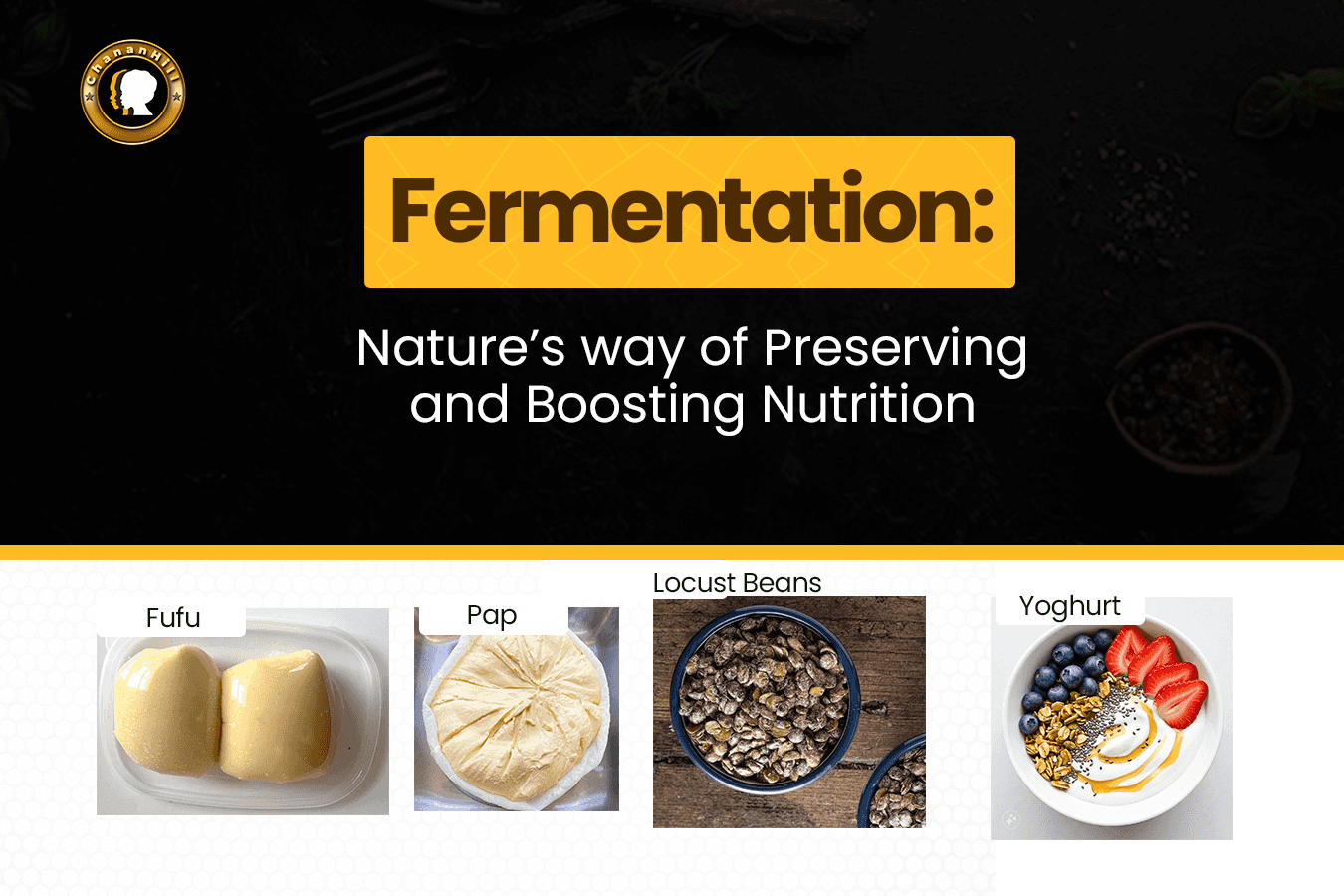
- Pap (Ogi): A fermented porridge made from maize or sorghum, commonly consumed by both infants and adults. The fermentation process reduces antinutrients such as phytates, making minerals like iron and zinc more bioavailable.
- Yogurt (locally made or commercial): Rich in beneficial lactic acid bacteria such as Lactobacillus and Bifidobacterium, which help improve gut flora, support digestion, and enhance immunity (Trends in Food Science and Technology, 2025).
- Fufu, Ugba, and Nunu: Other traditional fermented foods made from cassava, oil beans, and milk, respectively. These also provide beneficial microbial activity and dietary diversity.These foods not only help preserve ingredients for longer periods but also support gut and immune health, especially when consumed as part of a regular diet.
Health Benefits of Fermentation
Fermented foods are rich in probiotics, which are live microorganisms that provide health benefits when consumed in adequate amounts (WHO, 2024).
- Improved Digestion: The breakdown of food components during fermentation makes them easier to digest.
- Gut Health: Probiotics help balance the gut microbiome, which is linked to better digestion, nutrient absorption, and reduced inflammation.
- Nutrient Boost: Fermentation increases levels of B vitamins, vitamin K, and short-chain fatty acids (Trends in Food Science and Technology, 2025).
- Immune Support: A healthy gut is closely connected to immune function. Regular intake of probiotics may reduce the risk of infections and inflammation.
Food Preservation through Fermentation naturally extends the shelf life of food by creating acidic or anaerobic environments that inhibit spoilage and pathogenic microbes. Unlike chemical preservatives or freezing, fermentation:
- Requires minimal energy
- Can be done at home or in rural areas without electricity
- It is low-cost and sustainable
This makes it ideal for rural and peri-urban communities where cold storage may be limited.
Best Practices for Safe Fermentation: To ensure safety and effectiveness when fermenting foods:
- Use clean utensils and containers to prevent contamination
- Maintain the right temperature range (typically 20–30°C for most foods)
- Store fermented products in cool, dark places or refrigerate after fermentation
- Monitor for off-smells, mold, or gas build-up that could signal spoilage
ChananHill Relevance
Chanan Hill’s goals center on sustainable nutrition, food safety, and community empowerment, particularly through educating women, caregivers, and young people on safe food fermentation practices.
- Reduce dependency on expensive or unavailable preservation methods
- Encourage consumption of nutrient-rich local foods
- Lower food waste
- Improve family and child nutrition through better gut health
Projects like Win-Win Nutrition and Balanced Plate can integrate fermentation into their education and demonstration activities, using local materials and methods.
Conclusion
Fermentation is a natural and powerful way of transforming food, preserving it, enhancing its flavor, improving shelf life, and boosting its nutritional value. At Chanan Hill, encouraging the safe and purposeful use of beneficial microbes in everyday foods supports our mission to promote nutrition and food safety in practical, affordable ways.
Fermented foods are not only rich in vitamins, minerals, and probiotics that support gut health, but they can also help families stretch their food budgets by reducing spoilage and turning simple ingredients into nourishing meals. This is especially important in low-resource settings where refrigeration may be limited or inconsistent making it a tool for building food resilience, reducing waste, and empowering women and caregivers to take control of their family’s health.