Making Every Meal Count: ChananHill Marks World Food Day Through the Balanced Plate Project
Through its Balanced Plate Project, ChananHill Social Enterprise is helping women in Waru, Abuja, explore practical ways to improve household nutrition using affordable, locally available foods.
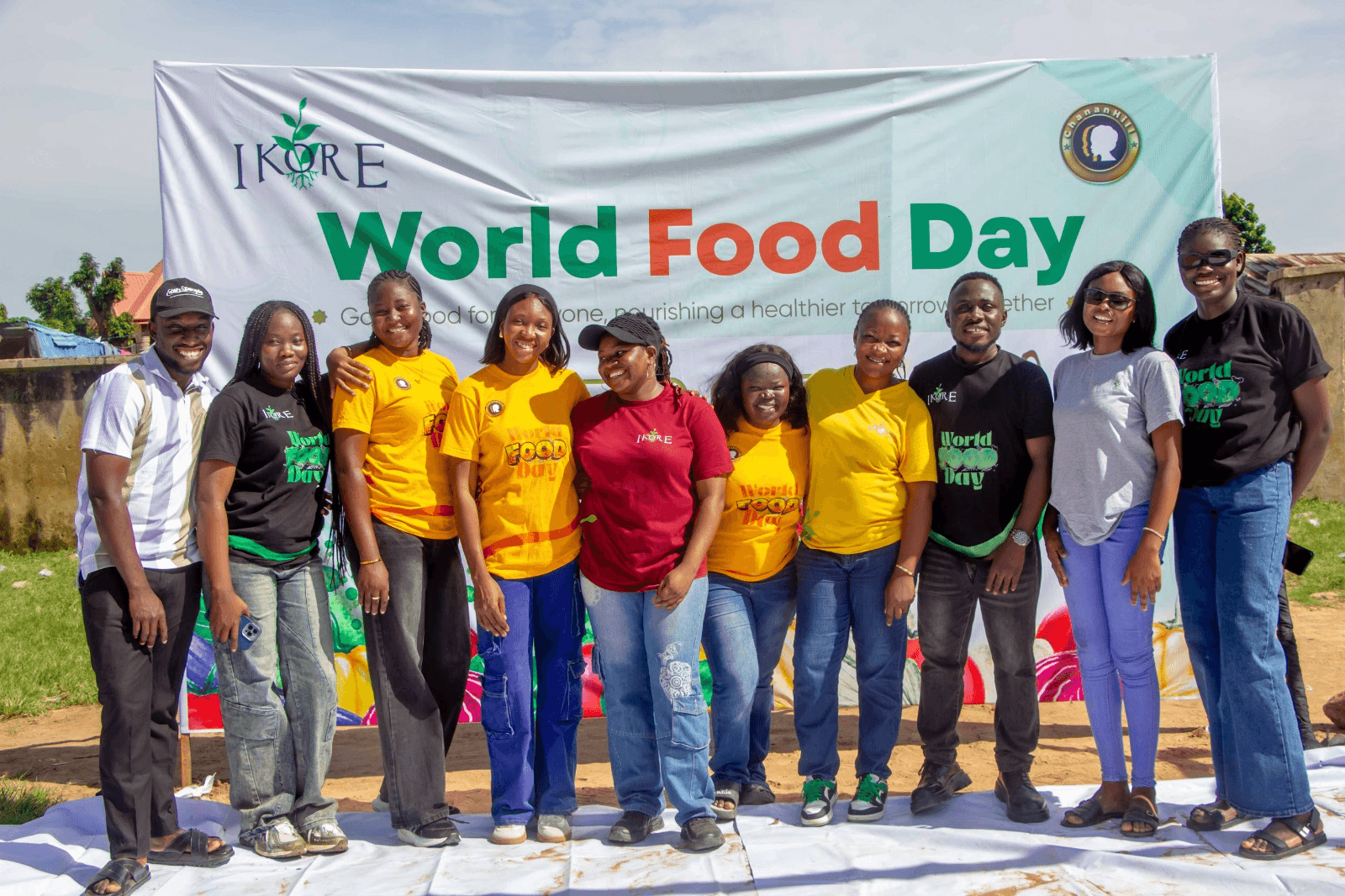
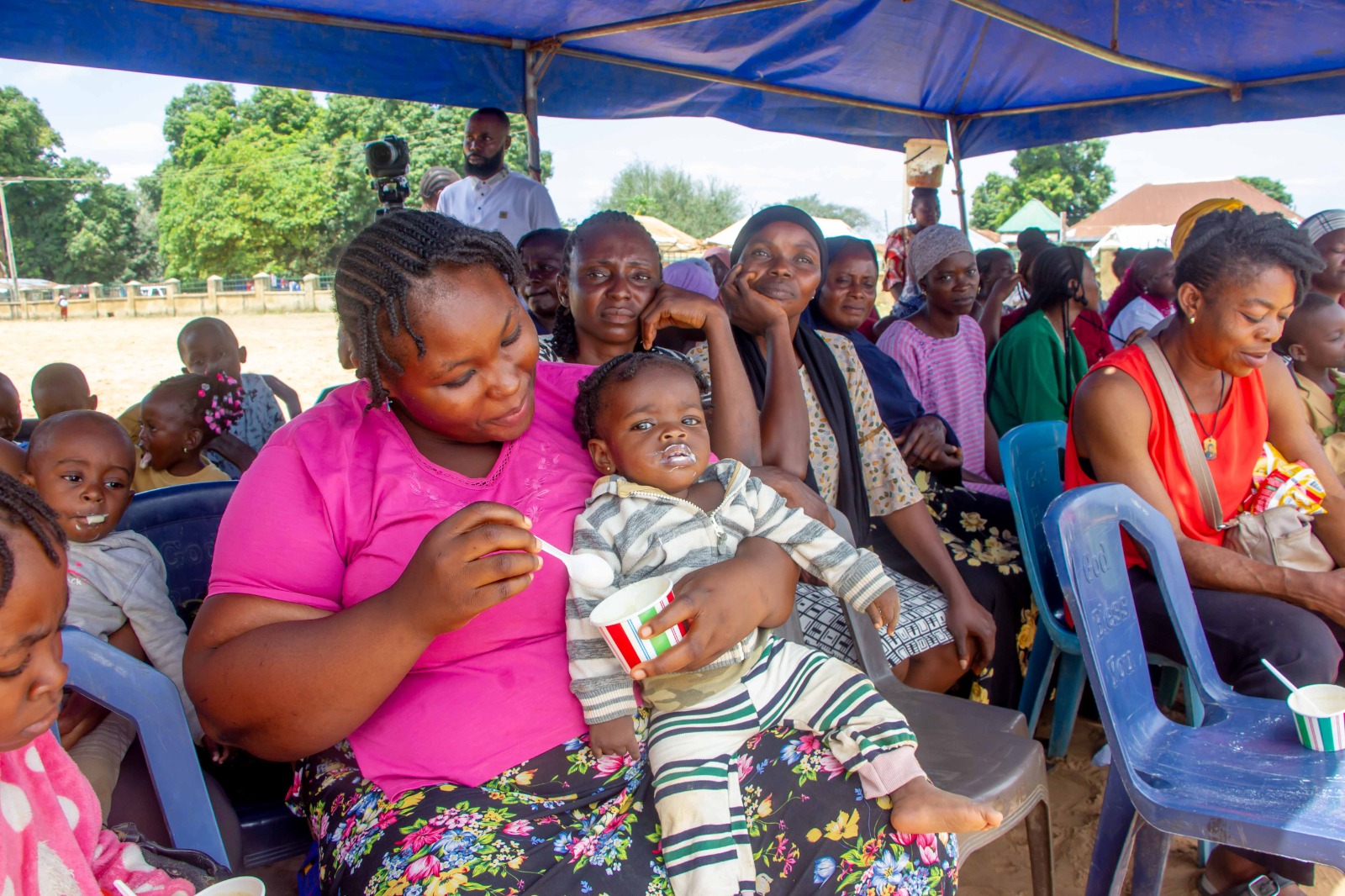
For many households, eating well is not simply about knowing which foods are nutritious. It also depends on what is available, what is affordable, and how everyday ingredients can be combined to create balanced meals. This reality informed a nutrition education outreach organised by ChananHill, in collaboration with Ikore International Development Limited, at Waru Community, Abuja, on 15 October 2026, ahead of World Food Day.
The event brought community members together for nutrition education and a practical food demonstration, focusing on how familiar meals can be made more nutritious without placing additional pressure on household budgets. It reflected the 2026 World Food Day theme, “Innovate Today, Nourish Tomorrow,” by highlighting how simple, informed changes to everyday food choices can contribute to healthier households.
Understanding the realities of household nutrition
The Balanced Plate Project was developed to address the gap between nutrition knowledge and everyday dietary practices, particularly among women of reproductive age and nursing mothers in underserved communities.
As part of the project’s baseline assessment in Waru, 176 women participated in a survey examining their knowledge, attitudes and practices around nutrition, alongside assessments of women’s and household dietary diversity. The findings showed that although many women understood the importance of nutritious, varied meals, everyday diets remained largely centred on staple foods. Only 58.5% of women surveyed met the minimum dietary diversity threshold.
These findings highlighted the need for nutrition education that goes beyond explaining what constitutes a healthy diet. Women also need practical guidance on how to diversify their meals within the realities of food affordability, availability and household preferences.
Turning knowledge into practical action
At ChananHill, we believe that improving nutrition should not always require expensive ingredients or entirely different meals. With the right information, households can explore ways to make better use of the foods they already know and can access.
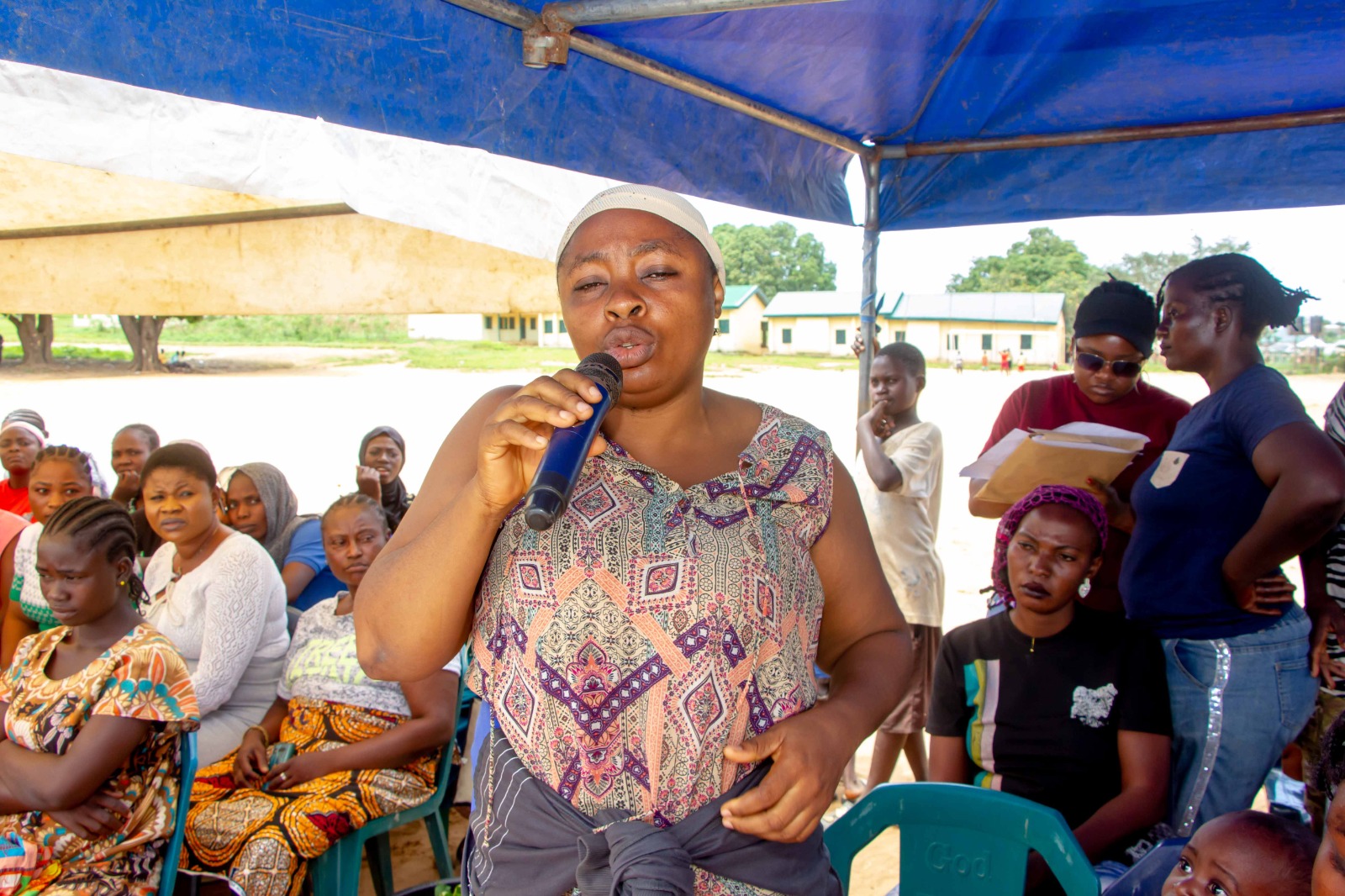
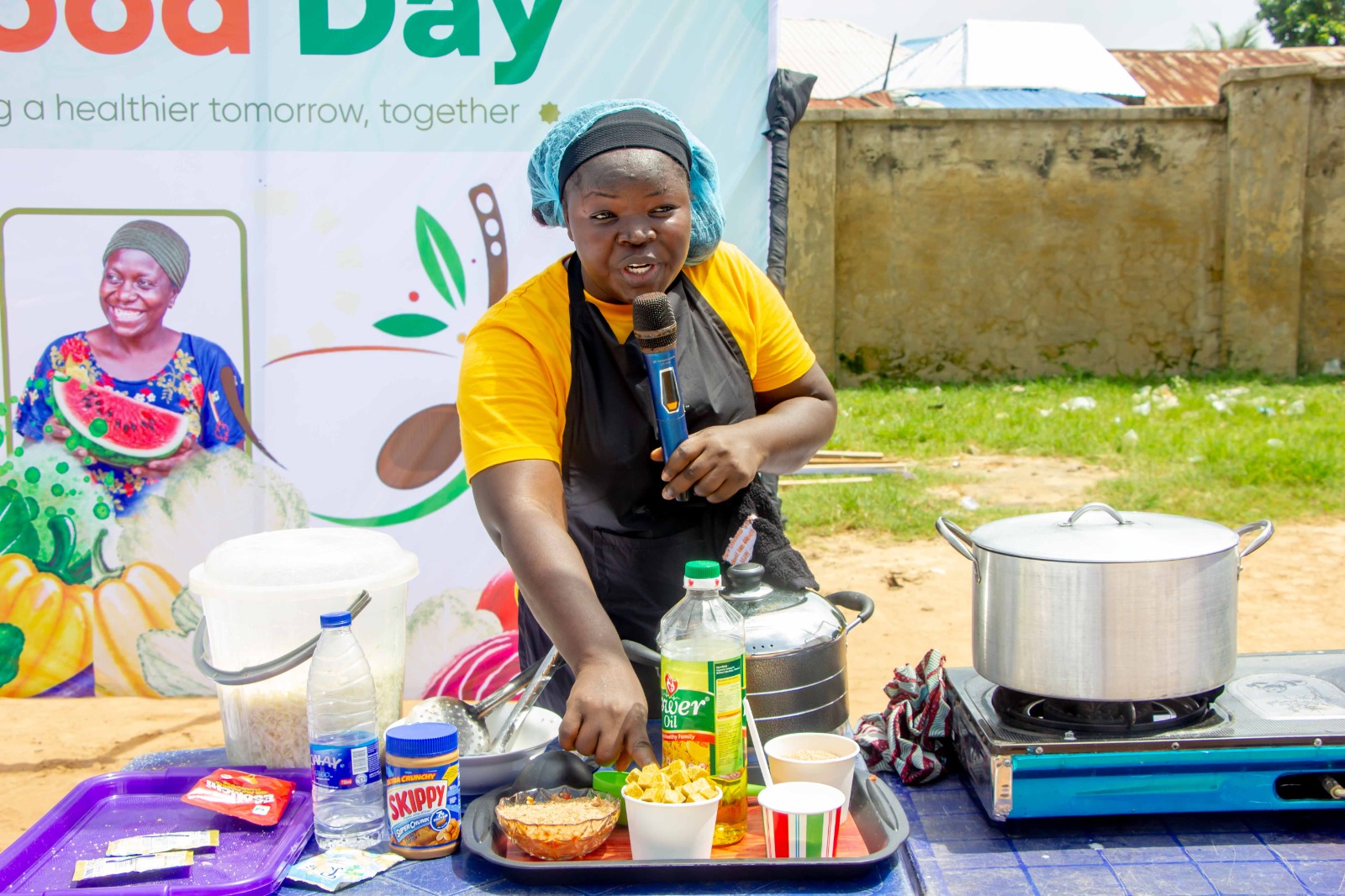
This principle guided our World Food Day outreach in Waru. Through interactive discussions and food demonstrations, participants explored ways to improve familiar meals by combining locally available ingredients, incorporating more variety and making simple adjustments to everyday cooking.
Our approach is centered on realistic, sustainable food choices rather than dietary recommendations that may be difficult for families to maintain. By connecting nutrition knowledge with local food practices, we aim to equip women with practical skills they can apply at home and share with their families.
Why women are central to the approach
The Balanced Plate Project focuses on women of reproductive age because of their important roles in food selection, meal preparation and household caregiving. Supporting women with practical nutrition knowledge can influence not only their own dietary choices but also the nutrition and well-being of their families.
However, we recognize that knowledge alone cannot resolve every barrier to healthy eating. Household income, food prices and access to nutritious ingredients all influence what families can put on their plates. Effective nutrition education must therefore acknowledge these challenges and offer solutions that work within people’s everyday circumstances
Building healthier households beyond World Food Day
The World Food Day outreach builds on ChananHill’s ongoing engagement with women in Waru. Almost 200 women in Waru have been sensitized through the Balanced Plate Project, strengthening access to nutrition information and practical guidance on everyday food choices.
Working with Ikore International Development Limited, we remain committed to promoting locally relevant nutrition education that helps women make informed decisions, improve dietary diversity and apply what they learn within their households.
For us, “Innovate Today, Nourish Tomorrow” means recognizing that meaningful progress can begin with simple, achievable changes: understanding what to add to a meal, what foods to combine and how to make the most of available resources.
Through the Balanced Plate Project, we are working towards a future where nutritious eating is more practical, accessible and achievable for women and their families, one meal at a time.