
Reproductive Health and Social Inclusion
Nigeria faces a profound reproductive health crisis that undermines women’s well-being, limits their opportunities, and perpetuates cycles of poverty and inequality. At the heart of this crisis lies a critical but often overlooked challenge: period poverty. According to the Ministry of Women Affairs, more than 37 million girls and women in Nigeria cannot afford menstrual hygiene products, forcing many to resort to unhygienic alternatives that significantly increase health risks and perpetuate cycles of disadvantage.
These statistics reveal the devastating scope of this challenge. According to the World Economic Forum article titled “Reduce period poverty and increase education in Nigeria,” girls in Nigeria miss an average of 24% of a school year due to menstrual-related issues fundamentally disrupting their education and limiting their future opportunities. This educational disruption creates long-term consequences that extend far beyond individual academic performance, affecting girls’ economic prospects, social development, and overall life trajectory.
Period poverty represents more than just lack of access to products, it embodies a complex web of challenges including inadequate menstrual hygiene knowledge, cultural stigma, insufficient water and sanitation infrastructure, and systemic gender inequalities. When girls and women cannot manage their menstrual cycles with dignity and safety, they face not only physical health risks but also psychological impacts including embarrassment, diminished self-esteem, and social isolation.
When women and girls struggle with their reproductive health, it’s not just a private problem; it holds back entire communities by limiting opportunities, raising healthcare costs, and perpetuating poverty. For Persons with Disabilities (PWDs), these challenges, especially “period poverty” are profoundly amplified: they face additional hurdles like inaccessible facilities, lack of adapted products, and a severe absence of clear, inclusive period education. This often leads to compounded stigma, immense difficulties in maintaining hygiene independently, and significant barriers to participating in education, work, and social life, ultimately pushing them further into isolation and severely impacting their dignity and basic human rights.
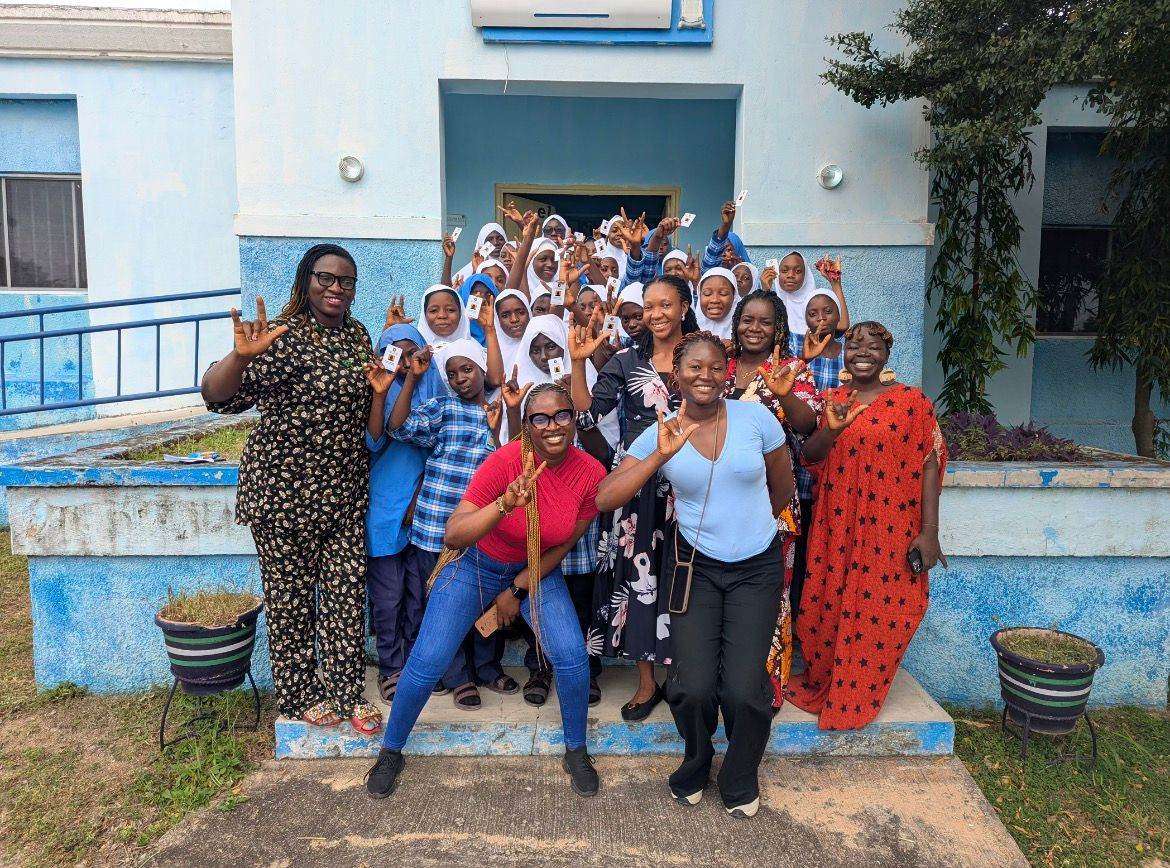
Our reproductive health work at ChananHill is centered on expanding access to essential products like sanitary pads and delivering school-based interventions and period education for all genders, specifically targeting period poverty and its devastating effects. We aim to alleviate missed school days, lost productive time, embarrassment, and diminished self-esteem, especially for persons living with disabilities. Grounded in the principle that every girl deserves access, we actively bridge supply chain gaps to ensure affordable sanitary pads are accessible. By ensuring women and girls have these products, essential services, and can make informed reproductive decisions, we enable their full participation in economic and social activities, creating pathways for comprehensive empowerment and community transformation.
Related stories
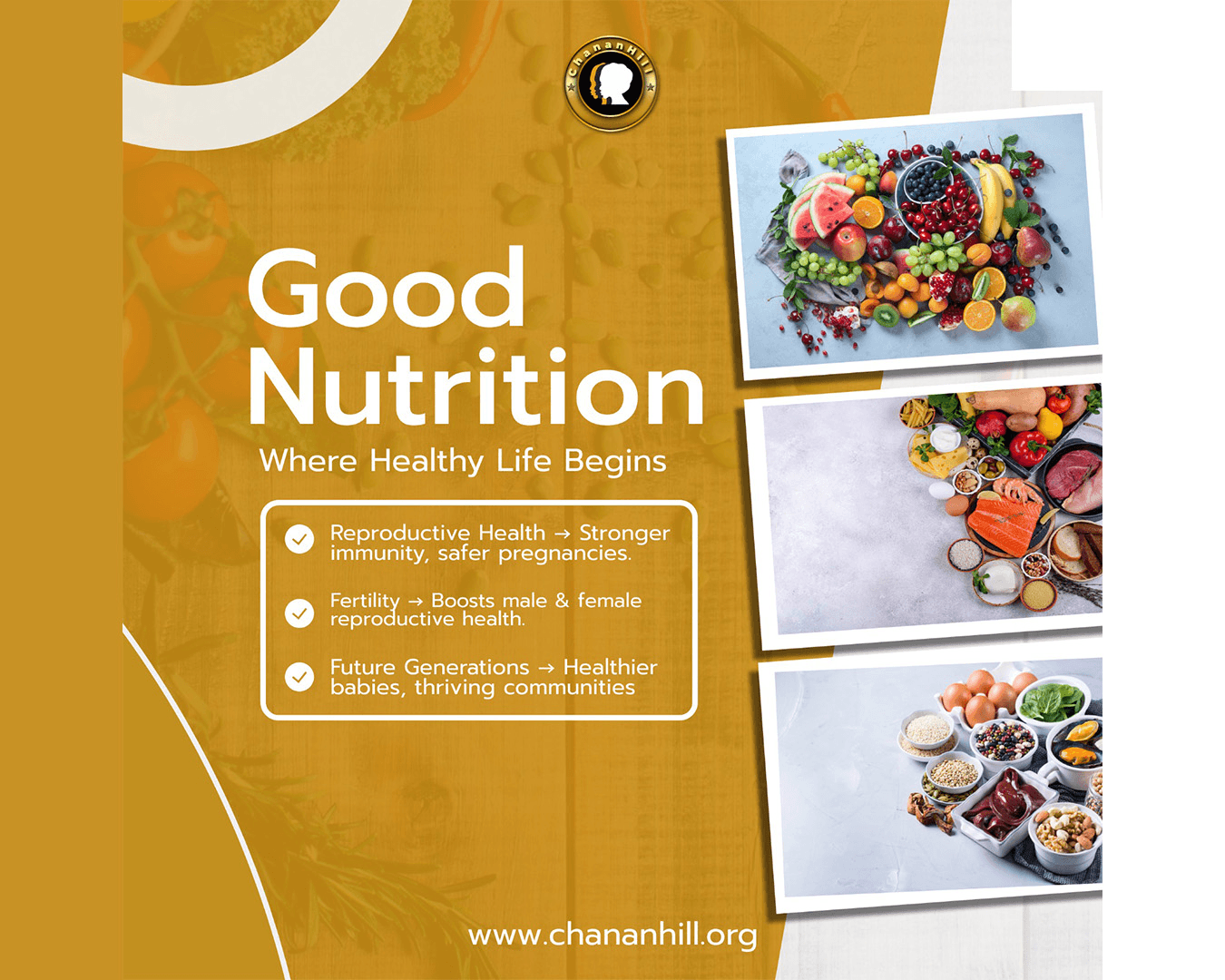
The Importance of Good Nutrition for Reproductive Health
Reproductive health is deeply connected to nutrition. The body needs a steady supply of specific nutrients to produce hormones, the chemical messengers that…