
In Nigeria, menstrual products are a substantial expense. According to BONews Service (September 2024), households spent approximately ₦184 billion on single-use menstrual pads in 2021 alone. About 60% of Nigerian girls miss school during their menstrual periods due to a lack of access to sanitary products. An estimated 25% of Nigerian women and girls of reproductive age (52% of the female population) experience period poverty, lacking access to safe menstrual products, hygiene education, and proper facilities, (UNICEF). In 2024, sanitary pads cost between ₦700 and ₦3,550 per pack (8–10 pads), well beyond the reach of many. Consequently, National Study by Nigeria’s Ministry of Education (2018) report highlights that only about 62% of menstruating females in Nigeria use sanitary pads, meaning roughly 38% resort to alternatives like rags, tissue paper, or nothing at all due to poverty and lack of access. One in ten African girls miss classes during their periods, and six in ten out-of-school children in Nigeria are girls, partly due to period poverty. AllAfrica.com in May 2024 reported statistics that show that about 37 million Nigerian women and girls cannot afford essential menstrual hygiene products.
However, many school-aged girls, especially those from economically disadvantaged backgrounds and those with disabilities, resort to using unhygienic alternatives because of the high cost of sanitary products, leading to health risks arising from unhygienic substitutes and the prolonged use of limited sanitary materials, which can lead to urinary and reproductive tract infections. Also, mental health and social participation decline, stigma, shame, and embarrassment subsequently undermine confidence and reduce engagement in school and community activities.
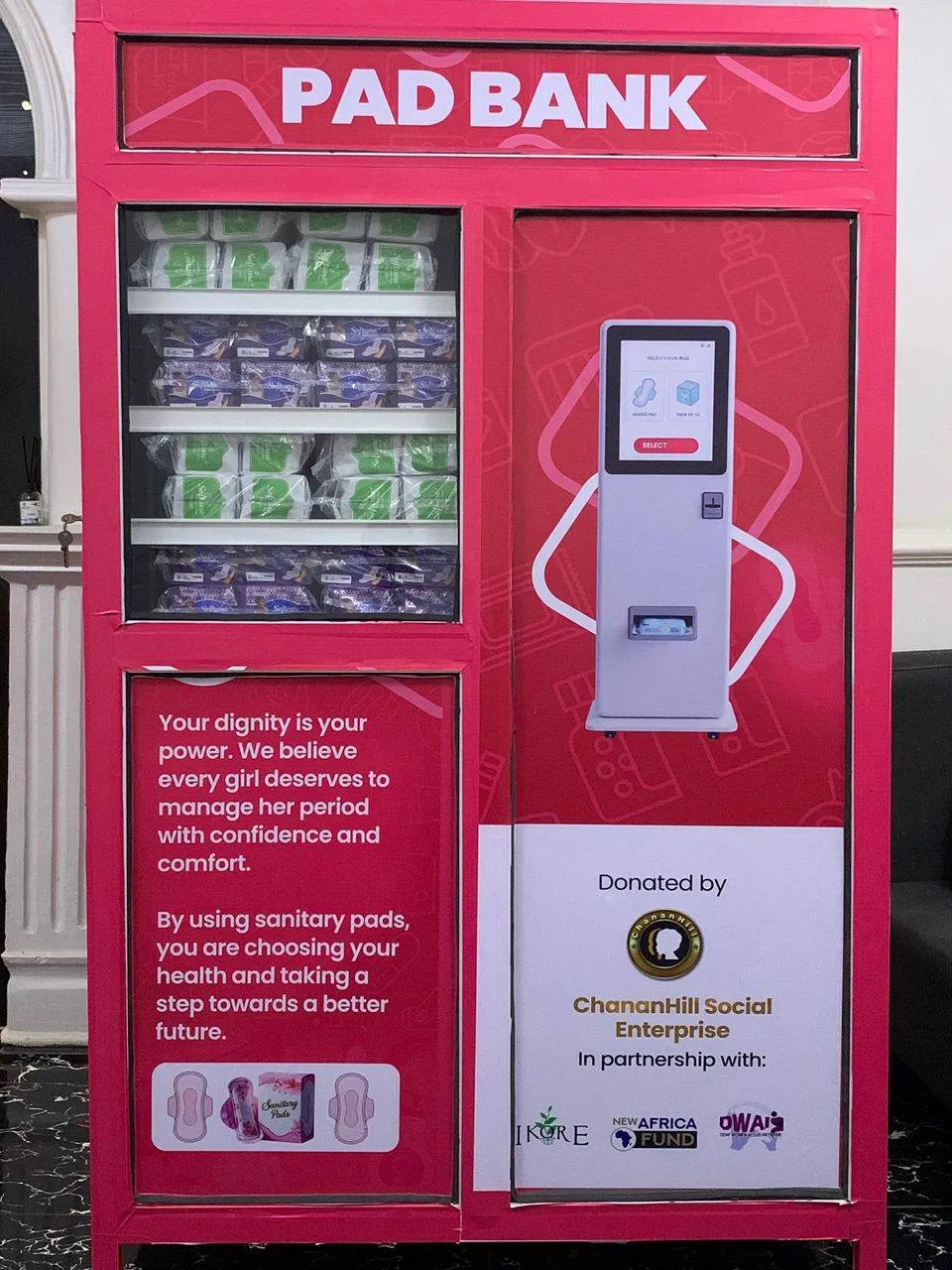
The ChananHill Pad Bank Initiative is an intervention based on the fundamental principle that every girl deserves access to reproductive health services and products. This initiative addresses critical gaps in the menstrual health supply chain while simultaneously tackling period stigma through inclusive education and community engagement. By ensuring that affordable sanitary pads are accessible to every girl, regardless of their economic status or physical abilities, the project creates pathways for comprehensive empowerment and community transformation, fostering an environment conducive to full participation in educational, economic, and social activities.
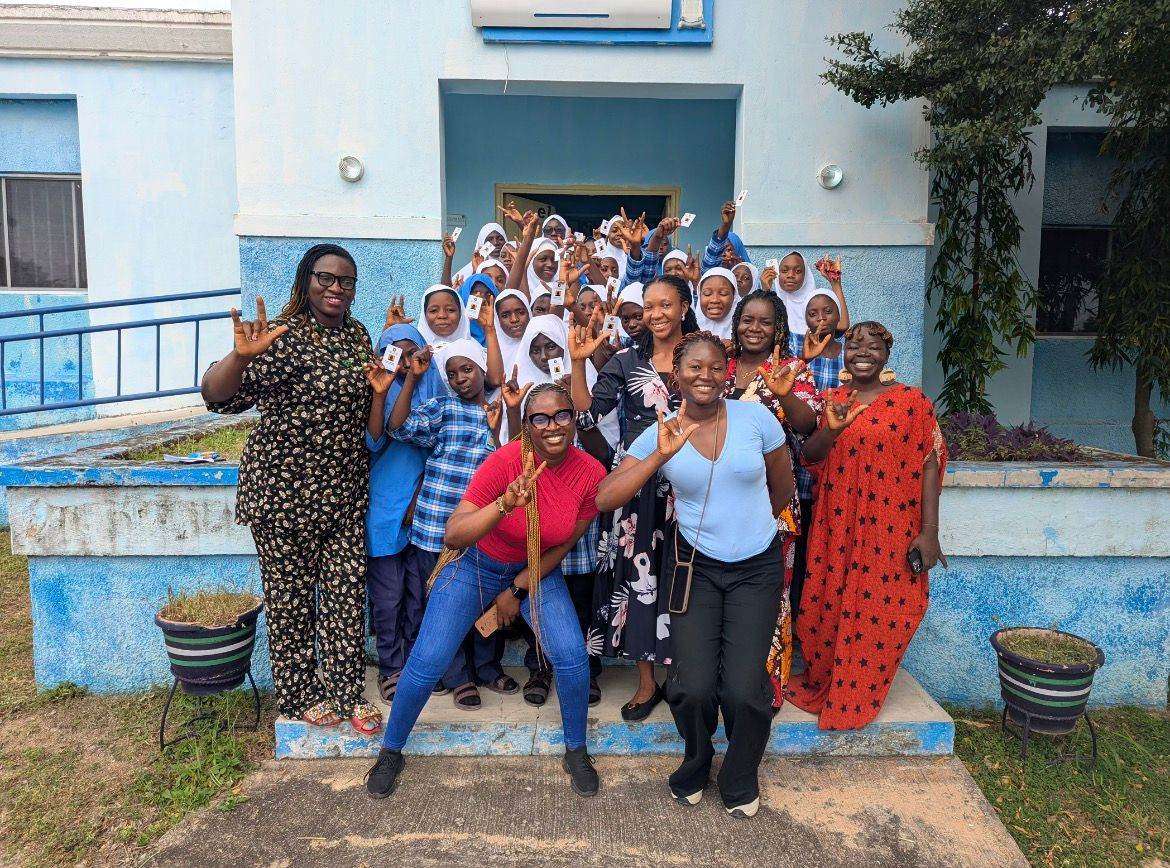
The initiative is currently being implemented in two schools across the Federal Capital Territory (FCT) and Nasarawa State, reaching 174 schoolgirls with improved access to menstrual products and menstrual health education.
Through school-based pad banks and awareness activities, we are creating more reliable access to sanitary products while equipping girls with the knowledge and confidence to manage their menstrual health. Our approach also promotes an inclusive environment where menstruation can be discussed openly and without shame.
Our partnership with the Deaf Women Aloud Initiative demonstrates a commitment to true inclusivity, ensuring that girls with disabilities are not left behind in the journey toward menstrual health equity. Through comprehensive education tailored to various disabilities that engages all genders and sustainable distribution systems, the Pad Bank Initiative creates lasting change that empowers women and girls to engage fully in economic and social activities. By bridging critical gaps in the menstrual health supply chain and fostering inclusive communities where menstruation is no longer a source of shame or limitation, the ChananHill Pad Bank Initiative paves the way for comprehensive empowerment and community transformation that aligns with the organization’s broader mission of women’s health and economic empowerment.
Stories from this project
MENSTRUAL HYGIENE AND PERIOD POVERTY IN NIGERIA
Menstruation is a natural biological process, but for millions of girls and women globally, it continues to be a source of discomfort and health risks. In…