
Clean Energy
Globally, over 2.3 billion people still lack access to clean cooking solutions, a crisis linked to an estimated 3.2 million premature deaths annually from indoor air pollution. Nigeria bears a significant portion of this burden. Only about 13-18% of its households currently have access to clean cooking energy, contributing to hundreds of thousands of premature deaths each year. This challenge is most acute in rural areas, particularly across states in Northern Nigeria, where over 90% of households continue to rely on polluting biomass fuels like firewood and charcoal. These statistics highlight a critical and urgent need for widespread intervention.
Nigeria faces a devastating clean cooking crisis, with nearly 70% of the population lacking access to clean solutions. This has catastrophic human consequences: an alarming 95,300 Nigerian women die annually from smoke-related diseases (WHO, 2020), equal to living in an environment like smoking two packs of cigarettes daily. This disproportionately impacts women and children, trapping women in time poverty due to endless firewood collection, limiting their economic and educational opportunities, and exposing them to significant security risks.
The environmental impact is equally severe. Firewood use leads to the loss of about 400,000 hectares of forest each year (FAO/UN-REDD), contributing to desertification, disrupting biodiversity, and generating 40 million tonnes of CO2 emissions. This environmental degradation is especially intense in Northern Nigeria, where limited clean cooking options, high costs, and a lack of awareness maintain reliance on unsustainable fuels.
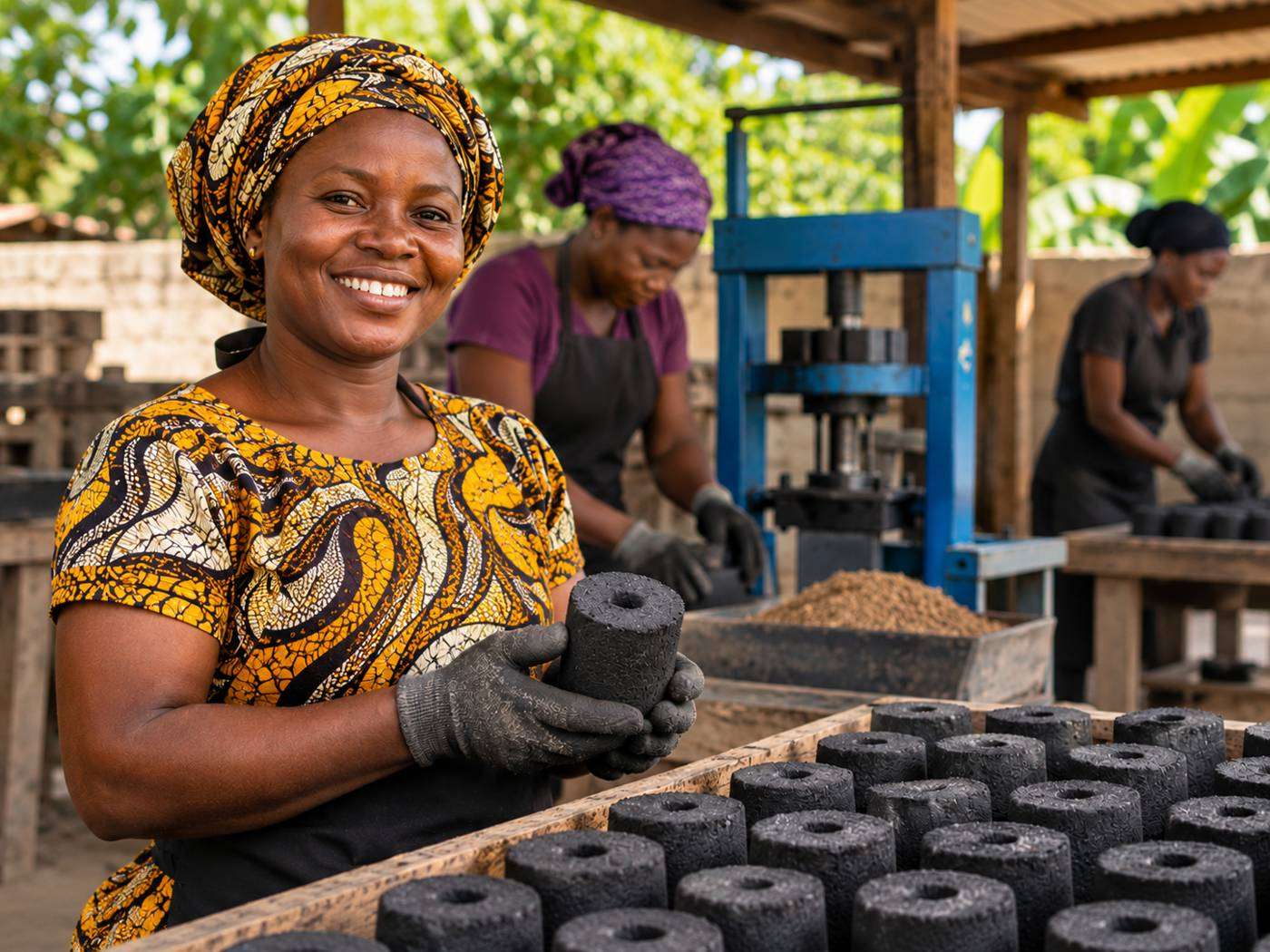
At ChananHill, we view clean cooking as a powerful, multifaceted development opportunity. We design and implement comprehensive solutions focused on raising awareness, marketing, and promoting sustainable alternatives like briquettes, specifically targeting the protection of women’s health, reducing environmental harm, and building a healthier, more sustainable Nigeria. Our approach is deeply rooted in the understanding that truly sustainable adoption requires solutions that are affordable, accessible, appropriate for local cooking practices, and supported by strong value chains and financing mechanisms.